


 By Guest - August 04, 2026
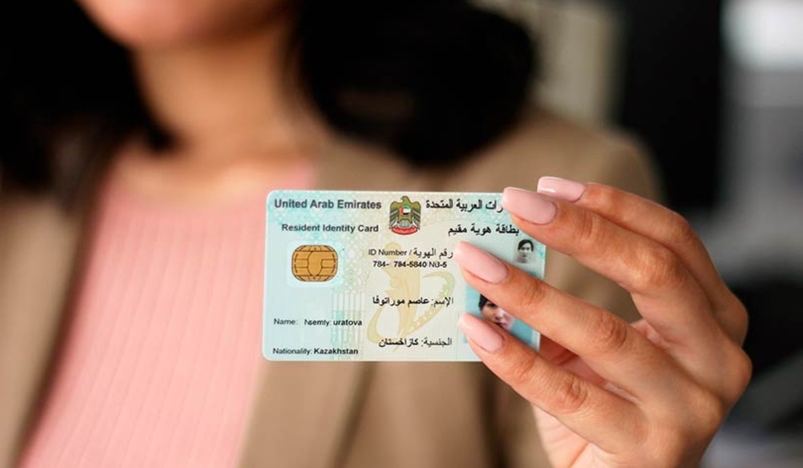
Here are the key UAE residency and financial rules every expatriate should know:
1. Maintain a Valid Residence Visa
Expats must hold a valid residence visa, such as an employment, investor, family, Green or Golden Visa. Your visa must be renewed before it expires to avoid fines or cancellation.
2. Don't Stay Outside the UAE Too Long
For most residence visa holders, staying outside the UAE for more than 180 consecutive days can result in the automatic cancellation of the residence visa unless an exemption applies. Golden Visa holders are generally exempt from this rule.
3. Emirates ID Is Essential
All UAE residents must obtain and maintain a valid Emirates ID, which is required for banking, healthcare, mobile services, government transactions and many everyday activities.
4. Employment and Salary Rules
Employees must work under a valid employment permit and residence visa. Salaries are generally paid through the Wages Protection System (WPS) for eligible private-sector employees, helping ensure timely wage payments.
5. Family Sponsorship
Eligible residents can sponsor their spouse, children and, in some cases, parents if they meet the applicable income and residency requirements. Some long-term visas offer broader sponsorship benefits.
6. Banking and Financial Compliance
Banks may ask residents to provide:
• A valid Emirates ID
• Passport and residence visa
• Salary certificate or proof of income
• Proof of address
• Updated Know Your Customer (KYC) information
Failure to update residency documents can lead to restrictions on bank accounts or financial services.
7. Taxes
The UAE does not levy personal income tax on salaries earned by individuals. However:
• Businesses may be subject to corporate tax if they meet the relevant thresholds.
• A 5% VAT applies to most goods and services.
8. End-of-Service Benefits
Private-sector employees are generally entitled to end-of-service benefits in accordance with UAE labour laws, provided they meet the eligibility requirements. Some employers also participate in approved alternative savings or pension schemes.
9. Keep Personal Records Updated
Residents should promptly update authorities and relevant institutions if they change:
• Passport
• Residence visa
• Emirates ID
• Mobile number
• Residential address
• Employer or sponsor
10. Respect Financial and Immigration Laws
Residents should:
• Avoid visa overstays.
• Comply with anti-money laundering and banking regulations.
• Settle debts and financial obligations.
• Maintain valid health insurance where required by local emirate regulations.
Following these rules helps expatriates maintain their legal residency, access banking and public services, and avoid fines or disruptions to their stay in the UAE.





_20-08-2026_05-08.jpg)
_27-51-2026_11-51.png)
_27-43-2026_12-43.png)



.jpg)
.jpg)




.jpg)


.jpg)
.png)
.jpg)













Leave a comment