


 By Guest - August 04, 2026
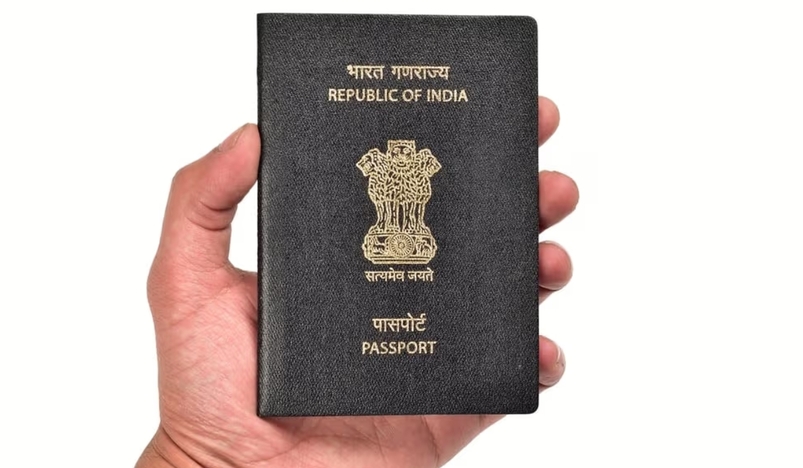
Indian expatriates in the UAE are hopeful of relief from a sharp rise in passport fees after the Delhi High Court asked the Union government to reconsider the revised charges within three weeks. Community campaigners say the direction has revived hopes across the Gulf, particularly among blue-collar workers who have felt the increase most acutely since it took effect on July 1.
What the court ordered
The case stems from a Public Interest Litigation (PIL) filed by the Kerala chapter of the community group Pravasi Legal Cell (PLC), challenging the revised passport fee structure brought in through the Passports (Amendment) Rules, 2026. The petition contends that the higher charges introduced by the Ministry of External Affairs (MEA) impose a disproportionate burden on overseas Indians — especially low-wage workers — and asks for the new structure to be either struck down or reconsidered.
Hearing the matter on July 22, the court directed the government to treat the petition itself as a formal representation, examine the grievances raised, and take an appropriate decision, preferably within three weeks. It further asked that the outcome be communicated to the petitioners before the case is finally disposed of. With the deadline now days away, PLC members in the UAE say they are waiting to see how the ministry responds.
The increase at issue
According to campaigners, the revision has pushed the cost of renewing a passport in the UAE to around Dh450, up from about Dh280 — part of a wider hike that raised various passport charges by as much as 75 per cent. Including the service fee and a community welfare contribution, applicants in the UAE now pay a total of roughly Dh477 per renewal. Campaigners argue the gap between what overseas Indians pay and the equivalent charges back home has widened significantly as a result.
Who is affected
PLC representatives say the steepest impact falls on blue-collar workers across the Gulf, many of whom renew their documents through Indian missions in the region. For workers earning monthly salaries in the region of Dh800 to Dh1,000, they argue, an increase of this scale is simply unaffordable, and hundreds of thousands rely on renewing their passports locally. Some have also lost jobs amid the wider regional situation, campaigners add, making the higher fees harder still to absorb. The UAE is now home to about 4.5 million Indians, according to the Indian Embassy in Abu Dhabi.
The group behind the petition
Pravasi Legal Cell describes itself as a body of retired judges, lawyers, social activists and volunteers working to support Indians abroad through legal means. Founded by advocate Jose Abraham, its global president, the organisation says it has taken up expatriate causes since 2009 and turned to the courts when representations to the authorities went unanswered. It maintains chapters in several countries — including the UAE, Oman, Bahrain, Qatar, Saudi Arabia, the UK and Australia — with its Delhi office coordinating the legal effort. Members say they approached the court only after two earlier submissions to the MEA drew no response.
What happens next
Campaigners say they now expect the government to review the fee structure in light of the court's order and hope for a more affordable system, at least for labour-category applicants as sought in the petition. Should the response prove unsatisfactory, PLC members have indicated they are prepared to return to the Delhi High Court to press the matter further. For now, a large section of the Indian community in the Gulf is watching the coming days closely.
This is a developing story. Fee figures reflect community-cited amounts at the time of writing and are subject to any revision the government may announce.
_18-36-2026_12-36.jpg)





_20-08-2026_05-08.jpg)
_27-51-2026_11-51.png)
_27-43-2026_12-43.png)



.jpg)
.jpg)




.jpg)


.jpg)
.png)
.jpg)












Leave a comment