


 By Admin - April 14, 2026
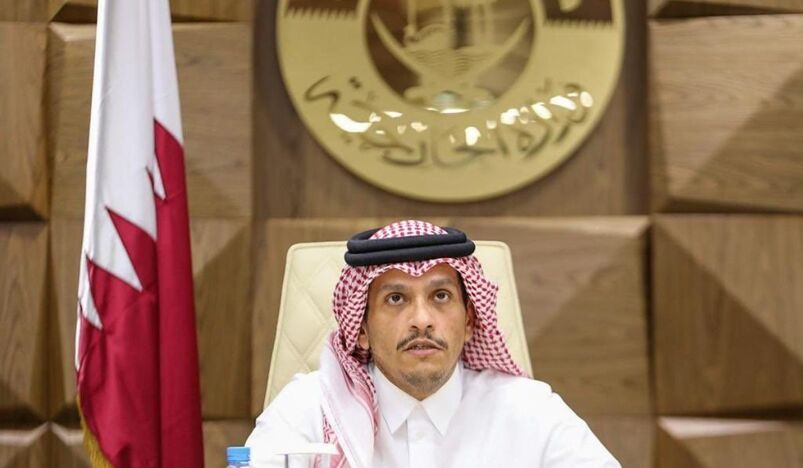
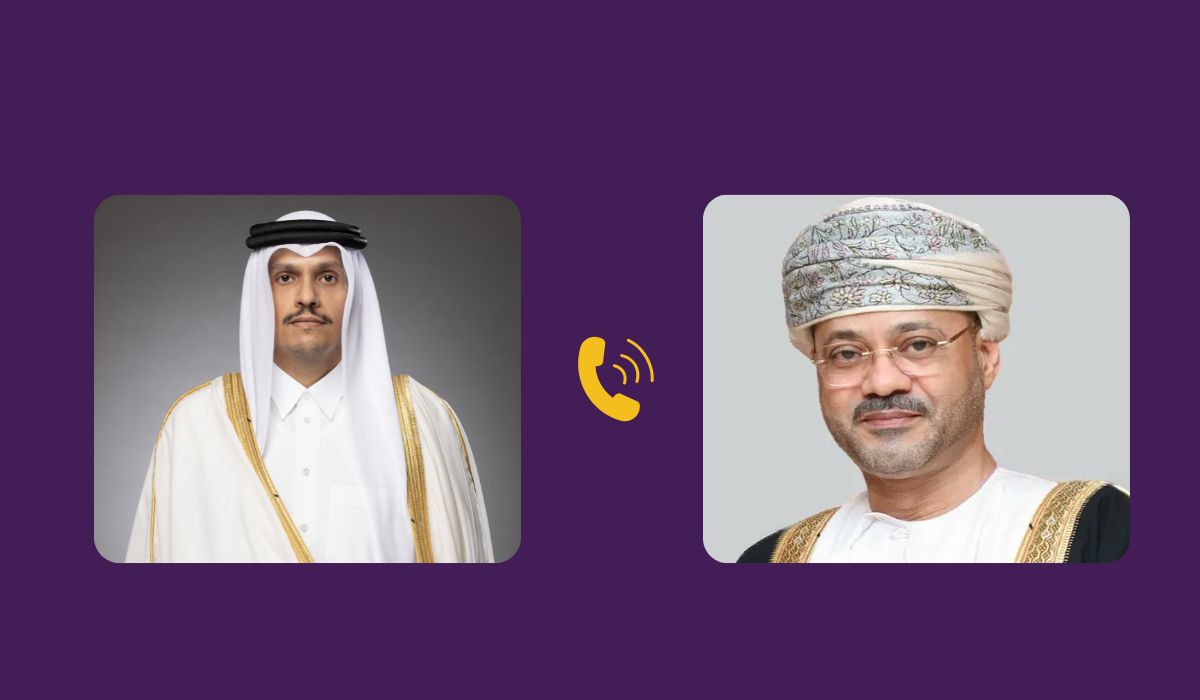
That phone call from Foreign Minister of Iran Araghchi to Qatar 's Prime Minister and Foreign Minister Sheikh Mohammed bin Abdulrahman Al Thani on 13 April was their first contact since peace talks failed earlier this year.
His Highness Sheikh Mohammed bin Abdulrahman Al Thani said in the telephone conversation that both Iran and the United States should engage positively with efforts at mediation, and that all sides play a constructive role in moving forward toward a durable arrangement.
The call came as broader diplomatic maneuvers remained in doubt after U.S.-Iran talks broke in failure and subsequently with a relative decline in alert and incidents in Qatar from weeks of heightened tension. However, the authorities have warned that dangers still lurk.
The two sides, according to the Qatari Ministry of Foreign Affairs, reviewed developments regarding the ceasefire, pressing instead on that introduction be made secure in order to ensure regional security and stability.
Sheikh Mohammed bin Abdulrahman Al Thani emphasised the importance of reaching a sustainable agreement through dialogue that avoids still more escalation and addresses the roots of the problem.
He also pointed out the need for maritime routes to remain open and free from interference, cautioning that any obstruction would have serious consequences for the area--especially with fuel supplies as people have come to divide food and energy, touching on international security.
Focus upon maritime passageways
The rising focus on maritime security comes as tensions escalate around key shipping lanes in the Gulf--particularly the Strait of Hormuz -- in light of the deadlock U.S.-Iran discussions and ensuing naval currents swept across Iran. The blockade means that--while Iranian ports do not accept or release goods bound therefrom--traffic through the strait is still left open to all comers.
The Strait of Hormuz is a vital channel for international energy flows, any disruption of which will quickly bring about upheaval in world markets and logistics systems. So really this move by Qatar has been made just as worries continue to grow about the future if seas become an arena where one country might exercise leverage/influence over another.
Earlier call exerted on escalation
The phone call followed another conversation between the two on 6 April--before ceasefire--at which time they discussed escalation and its attendant impact upon regional security.
At that time, Qatar condemned attacks that targeted its territory as well as the wider region, stressing that attacks upon civilian infrastructure or countries not parties to the conflict are under any circumstance unacceptable.
Sheikh Mohammed bin Abdulrahman Al Thani also called for a respect towards international law, repeating one comprehensive diplomatic resolution to the current crisis is the only way out.
In this most recent phone call, although the emphasis was on strength ening the ceasefire agreement, Qatar continued its stance on the attacks and the need to avoid further escalation.


_20-08-2026_05-08.jpg)
_27-51-2026_11-51.png)
_27-43-2026_12-43.png)



.jpg)
.jpg)




.jpg)


.jpg)
.png)
.jpg)













Leave a comment