


 By guest - July 26, 2026
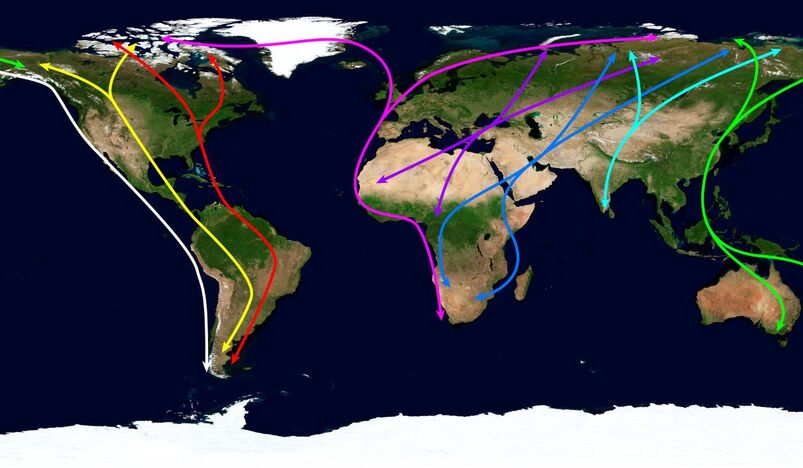
Plague has devastated human societies for over 1,500 years, spreading repeatedly through a combination of infected rodents, flea bites, trade routes, and dense urban centers. Historical records and modern genomic research show that plague outbreaks followed predictable patterns driven by ecology, commerce, and human movement.
1. Spread Through Rodents and Fleas
The plague is caused by Yersinia pestis, a bacterium that lives in wild rodent colonies. Fleas feeding on infected rodents transmit the bacteria to humans. When rodent populations were disrupted — by climate shifts, famine, or human activity — infected fleas moved to people, triggering outbreaks.
2. Transmission Along Trade Routes
Major plague pandemics spread across continents through trade caravans, merchant ships, and overland routes.
- The Black Death (14th century) likely traveled from Central Asia through the Silk Road into the Mediterranean and Europe.
- Epidemics in China preceded European outbreaks, showing how long distance trade accelerated transmission.
3. Three Major Historical Pandemics
Historians group plague outbreaks into three major pandemics, each driven by human mobility and interconnected regions:
- First Pandemic (541–750 CE): Originated in Egypt, spread across the Mediterranean and into Europe.
- Second Pandemic (1331–1855): Began in Central Asia, included the Black Death, and reached Europe, the Middle East, and China.
- Third Pandemic (1855–1960): Started in China and spread globally, including India and the western United States.
4. Urban Crowding and Poor Sanitation
Cities with dense populations, poor waste management, and abundant rodents were ideal environments for plague spread. Medieval European cities, Middle Eastern trade hubs, and North African ports all experienced repeated outbreaks due to these conditions.
5. Human to Human Spread (Pneumonic Plague)
While bubonic plague spreads mainly through fleas, pneumonic plague spreads directly between people through respiratory droplets. This made certain outbreaks such as those in medieval Europe far deadlier and faster moving.
6. Maritime Spread Across Ports
Merchant ships carrying rats and fleas played a major role in spreading plague across the Mediterranean, Indian Ocean, and later to the Americas. Ports like Alexandria, Constantinople, Venice, and Bombay were frequent entry points during pandemics.
Summary
Historically, plague spread through:
- Infected rodents and fleas
- Trade caravans and Silk Road routes
- Merchant ships and port cities
- Dense urban centers with poor sanitation
- Direct human transmission in pneumonic outbreaks
These mechanisms allowed plague to move from Central Asia to Europe, the Middle East, Africa, India, China, and eventually the Americas, shaping global history for centuries.




_20-08-2026_05-08.jpg)
_27-51-2026_11-51.png)
_27-43-2026_12-43.png)

_03-27-2026_08-27.jpg)


.jpg)
.jpg)




.jpg)


.jpg)
.png)
.jpg)













Leave a comment