


 By neha - June 14, 2026
Who Used Moroccan Libraries?
Not everyone. This surprises many modern readers?
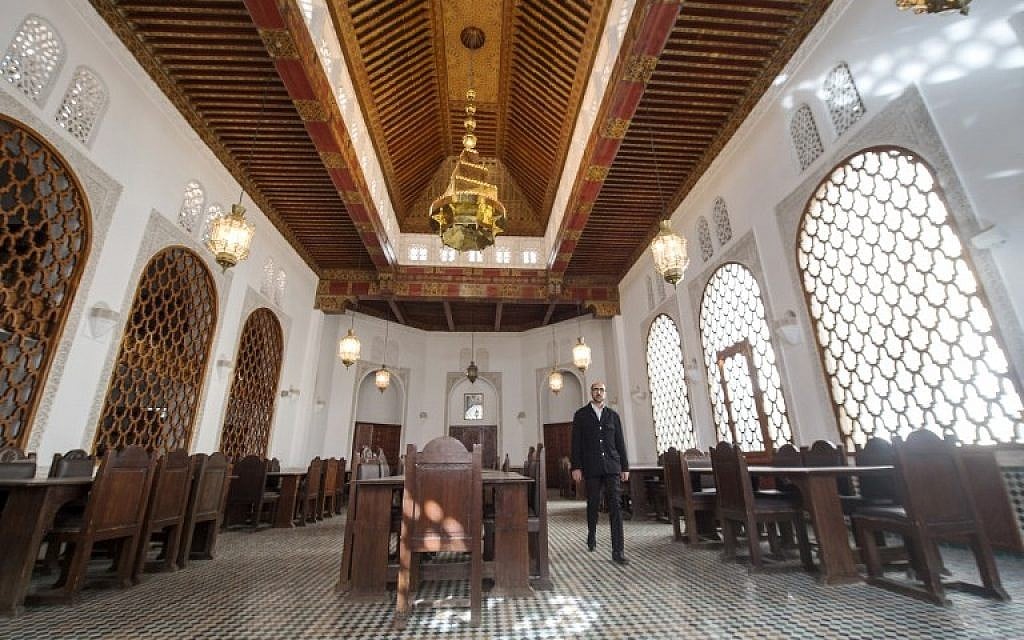
Libraries attached to mosques and madrasas served students and religious scholars. Judges, jurists, and specialists in Islamic law used them regularly. They were not open to the general public in the way modern libraries are.
Private libraries were different. Scholars, judges, and high-ranking officials built personal collections. Some of these collections were enormous. Arabic biographical sources describe figures who transported entire book collections on pilgrimage to Mecca or when they moved cities.
Royal libraries served caliphs and their courts. They held rare manuscripts, ancient texts, and works obtained from across the Islamic world.
All three types fed into each other through gifts, endowments, loans, and bequests.
What Happened to the Zaydani Library?
This story involves one of history's most dramatic manuscript thefts.
The Zaydani Library belonged to the Saadian sultan Zidan Abu Maali of Morocco. In 1612 CE, a Spanish vessel intercepted a ship carrying his personal library near the Moroccan coast.
The ship was carrying around 4,000 manuscripts. Spanish forces seized the entire collection. The manuscripts eventually ended up in the Escorial Palace and monastery near Madrid, far from their original home and readers.
The library became known in Europe as the Escorial Library. It remained held there for centuries, out of reach of the people for whom it was created.
The fate of those manuscripts mirrors what often happens to displaced knowledge. Books, like people, can face exile. They endure estrangement, neglect, and distance from home. But they also survive.
Remarkably, these manuscripts are still preserved today. Time protected what politics tried to steal.

_20-08-2026_05-08.jpg)
_27-51-2026_11-51.png)
_27-43-2026_12-43.png)


.jpg)
.jpg)




.jpg)


.jpg)
.png)
.jpg)













Leave a comment