


 By guest - August 19, 2026
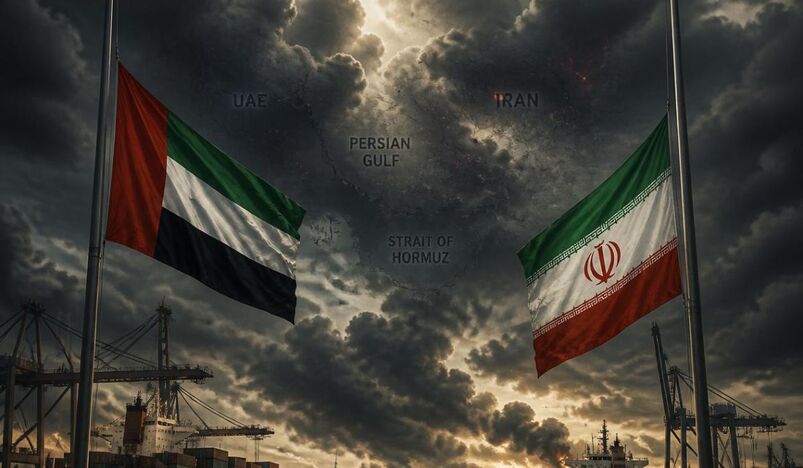
The United Arab Emirates has suspended trade exchanges and financial transactions with Iran until further notice after accusing Tehran of firing two ballistic missiles toward maritime traffic in the Gulf, a claim Iran has rejected as baseless.
The move, announced on August 18, marks a sharp deterioration in relations between the two neighbours and comes amid renewed concern over the security of commercial shipping around the Strait of Hormuz, one of the world's most important energy corridors.
UAE Announces Suspension of Economic Dealings
The UAE announced the suspension of trade, commercial exchanges and financial transactions with Iran following the reported missile incident. The decision will remain in place until further notice, according to reports citing the UAE authorities.
Two Ballistic Missiles Reported
The UAE Ministry of Defence said it detected two ballistic missiles that it attributed to Iran and said they were targeting maritime navigation. Reports said one projectile fell in waters outside UAE territory while another came down within UAE waters. The incident triggered heightened security concerns around Gulf shipping.
Iran Rejects UAE Allegations
Iran denied responsibility and rejected the UAE's accusation. Tehran described the claims as unfounded and warned that such allegations could further damage diplomatic efforts in an already tense regional environment.
Shipping Security Under Pressure
The latest dispute follows a series of maritime incidents around the Strait of Hormuz. Earlier in August, the UAE accused Iran of targeting vessels linked to ADNOC while they were transiting the strategic waterway. Iran did not immediately comment on some of those earlier UAE allegations.
Why the Strait of Hormuz Matters
The Strait of Hormuz connects the Gulf with the Gulf of Oman and the Arabian Sea and is a crucial route for global oil and liquefied natural gas exports. Disruption to shipping through the narrow waterway can quickly affect freight costs, insurance premiums, energy prices and global supply chains.
Relations Had Shown Signs of Limited Improvement
The latest escalation follows a period in which the UAE and Iran had taken steps toward limited economic engagement. Earlier in 2026, reports indicated that financial and commercial channels between the two sides were being cautiously reopened as regional diplomatic efforts sought to reduce tensions.
Regional Economic Risks
A prolonged suspension of UAE-Iran trade could affect businesses involved in re-exports, shipping, logistics and financial transactions. The broader security situation in and around Hormuz is also being closely watched by global energy markets and shipping companies.
Diplomacy Faces Another Test
The competing accounts of the missile incident highlight the fragile state of regional diplomacy. While the UAE has stressed the importance of freedom of navigation and maritime security, Iran continues to reject accusations that it is responsible for some of the latest incidents. Further developments will depend on whether diplomatic channels can prevent another cycle of escalation.
Key Points
- UAE suspended trade, commercial exchanges and financial transactions with Iran until further notice
- UAE says two Iranian ballistic missiles targeted maritime navigation in the Gulf
- Iran denies responsibility and calls the allegations baseless
- The dispute adds to growing security concerns around the Strait of Hormuz
- Shipping and energy markets are closely monitoring the escalation


_25-22-2026_01-22.jpg)


_20-08-2026_05-08.jpg)
_27-51-2026_11-51.png)
_27-43-2026_12-43.png)



.jpg)
.jpg)



.jpg)


.jpg)
.png)
.jpg)













Leave a comment