


 By Simran - July 21, 2026
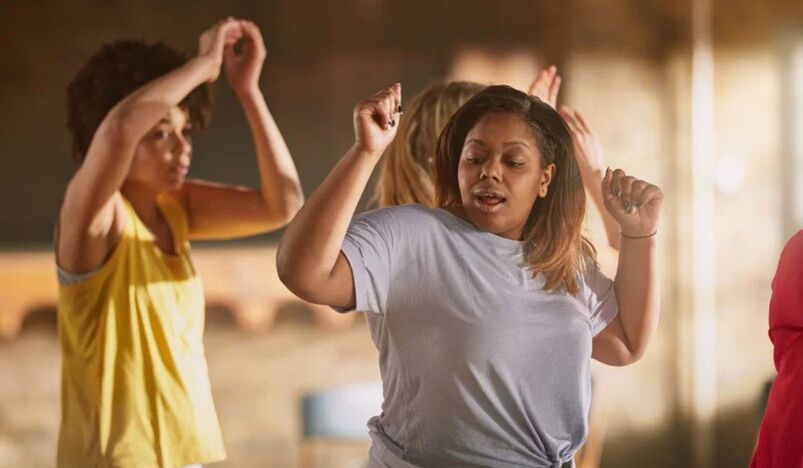
Dancing is a powerful, evidence based way to improve physical fitness, mental health, and social wellbeing — with studies showing gains in strength, cardiovascular fitness, mood, and cognitive function across age groups.
Physical benefits
Dance training improves cardiovascular fitness, core strength, balance and flexibility, often matching or exceeding gains from conventional exercise programs in study populations. Structured dance programs increase aerobic capacity and muscular endurance while engaging the whole body in coordinated movement.
Weight management and metabolic health can also benefit when dance is performed regularly at moderate to vigorous intensity, because sessions burn calories and encourage active lifestyles. The variety of dance styles — from ballroom and salsa to contemporary and community square dancing — makes it easier for people to sustain activity.
Mental health and emotional wellbeing
Dance and dance movement therapy reduce depressive symptoms and improve mood, with meta analyses and randomized trials reporting consistent benefits for people with mild to moderate depression and for older adults in community programs. Movement combined with music and social interaction appears to amplify psychological gains.
Dance also lowers stress and can improve sleep quality through physical exertion and emotional expression, helping regulate mood and resilience over time.
Cognitive and social benefits
Dancing enhances cognitive function by challenging memory, attention and executive control — for example, learning choreography strengthens working memory and sequencing skills. For older adults, group dance programs have been linked to better cognitive outcomes than passive activities.
Social connection is a major advantage: group classes and community dances reduce loneliness, build social networks, and increase motivation to remain active. These social elements contribute directly to mental and physical health improvements.
Safety, injury risk and best practice
While beneficial, dance carries injury risks if training is excessive or technique is poor; common issues include overuse injuries and joint strain. Proper warm ups, progressive training, qualified instruction and attention to individual limits reduce risk.
Practical recommendations: aim for regular sessions (for most people, 2–4 times weekly) combining moderate aerobic dance and strength focused classes; include rest days and cross training; choose styles that match fitness level and health goals. Based on trial protocols and reviews, 8–12 week programs show measurable benefits, suggesting that sustained participation is key to lasting gains.
Conclusion
Dance is an accessible, enjoyable form of exercise with broad health benefits — physical conditioning, improved mood, cognitive stimulation and stronger social ties. When practiced safely and consistently, dance can be a central part of a healthy lifestyle for people of nearly all ages.






_20-08-2026_05-08.jpg)
_27-51-2026_11-51.png)
_27-43-2026_12-43.png)



.jpg)
.jpg)




.jpg)


.jpg)
.png)
.jpg)













Leave a comment