


 By guest - August 19, 2026
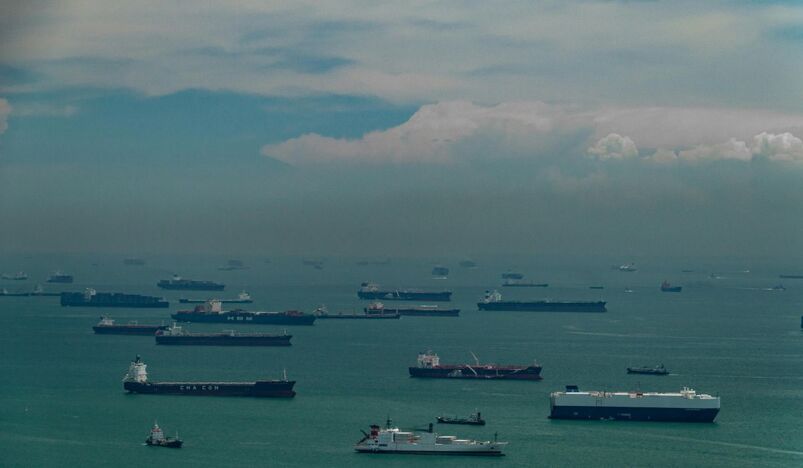
Shipping patterns in the Strait of Hormuz are undergoing a significant shift, with more than 80% of recent vessel transits reportedly using a route through Omani waters rather than the passage associated with Iranian control, according to ship-tracking data cited by Kpler.
The change has raised questions over how much practical control Tehran can exercise over commercial traffic through the strategic waterway. However, the data does not by itself establish that Iran has lost control of Hormuz, particularly as overall shipping volumes remain severely disrupted and competing governments continue to make conflicting claims about the strait.
More Than 80% Using Omani Route
According to Kpler data cited in reports on August 19, more than four-fifths of ships transiting the area during the previous two weeks had used an Omani route. The channel offers commercial vessels a way to navigate through waters away from the route over which Iran has sought to assert control.
A Major Shift in Shipping Patterns
The reported change is significant because Iran has repeatedly insisted that vessels cannot move through the strait without its authorisation. Tehran has described Hormuz as being under its control, while the United States has challenged that claim and says commercial navigation should remain protected.
Traffic Through Hormuz Remains Very Low
Despite the shift toward Omani waters, overall traffic through the chokepoint remains far below normal levels. Reuters reported that only six commodity vessels crossed on Monday, August 17, compared with a 10-day average of 11. No very large crude carriers or LNG tankers were recorded in that preliminary data, although vessels operating without active transponders may not appear in standard tracking figures.
Iran and Oman Have Discussed a Shipping Route
Iran and Oman have been negotiating arrangements concerning maritime passage through the strait. Earlier in August, Iran's foreign ministry said the two countries had agreed on geographic coordinates for a shipping route and were working toward a joint announcement. Tehran also cautioned that such an agreement alone would not guarantee security in the waterway.
Why Hormuz Is So Important
The Strait of Hormuz connects the Gulf with the Gulf of Oman and the Arabian Sea. At its narrowest point it is around 29 nautical miles wide, according to the International Energy Agency, making it one of the world's most strategically important maritime chokepoints. Disruption can affect oil and LNG flows, freight rates, insurance costs and global supply chains.
Is Iran Actually Losing Control?
The latest shipping data suggests Iran may have less ability to dictate the precise route used by the majority of vessels that are still making the crossing. But describing this as a definitive loss of control would go beyond what the tracking figures prove. Iran continues to assert authority over the strait, maritime traffic remains heavily disrupted, and the security situation is fluid.
Shipping Companies Seek Lower-Risk Options
Commercial operators are increasingly adapting to the crisis by changing routes, limiting exposure to high-risk waters or using ship-to-ship transfers outside the Gulf. Reuters has reported that major Chinese state-owned shippers have also avoided Hormuz and other regional chokepoints, illustrating how the conflict is reshaping energy logistics.
Global Markets Watching Closely
Any sustained change in access to Hormuz has consequences well beyond the Gulf. Energy importers in Asia and other regions depend heavily on supplies moving from Gulf producers, while prolonged insecurity can raise tanker rates, insurance premiums and ultimately the cost of energy.
Key Points
- More than 80% of recent vessel transits reportedly used an Omani route, according to Kpler data cited in current reporting
- The shift has been observed over roughly the past two weeks
- Overall Hormuz shipping traffic remains sharply below normal levels
- Iran continues to claim control of the strait, while the United States disputes that claim
- Iran and Oman have discussed coordinates for a maritime route through the strategic waterway
- The data suggests a change in practical shipping behaviour but does not by itself prove that Iran has lost control of Hormuz


_16-15-2026_02-15.jpg)



_20-08-2026_05-08.jpg)
_27-51-2026_11-51.png)
_27-43-2026_12-43.png)



.jpg)
.jpg)




.jpg)


.jpg)
.png)
.jpg)













Leave a comment