


 By Deepika - April 22, 2026
.png)
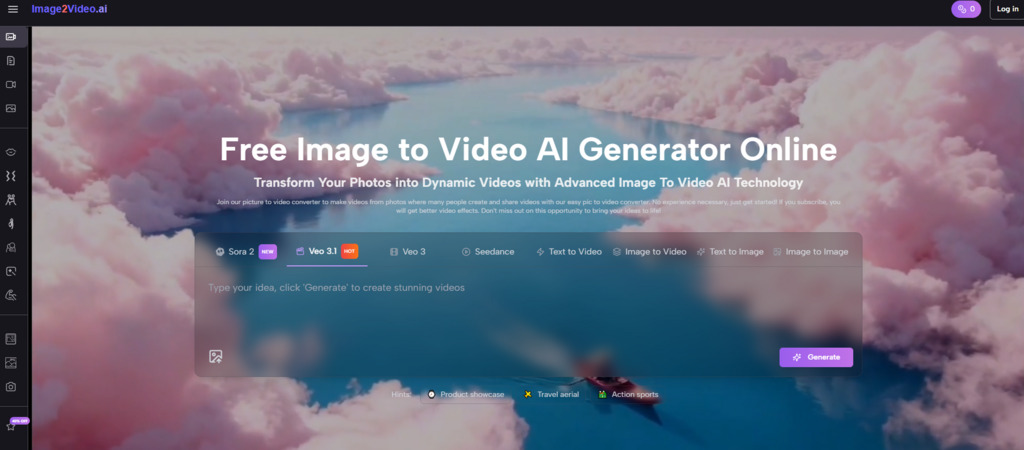
The most revealing thing about today’s image-to-video market is that the category is no longer trying to prove it exists. It is trying to prove it belongs in real workflows. That is a very different challenge. Novelty gets attention once. Utility gets repeated use. When I compare the current field through that lens, Image to Video AI stands out because it treats motion as something that should be reachable, not ceremonial.
That distinction matters for ordinary creators more than many reviews admit. A designer with a still product image, a social manager with a campaign visual, or a teacher with a diagram often does not need a sprawling cinematic lab. They need a direct route from image to motion that is visible, understandable, and stable enough to use again next week. A platform that makes motion easy to start often creates more value than one that merely sounds more advanced.
At the same time, image-to-video is not a single-use category anymore. Some platforms are better for serious creative breadth. Some are better for elegant movement. Some feel made for fast social experimentation. Some fit teams that already work inside broader content systems. Ranking them well means respecting those differences instead of flattening everything into one vague idea of quality.
So this article takes a more grounded approach. Instead of asking which platform looks the most futuristic, it asks which ones help different kinds of users move from still asset to useful result with the right balance of ease, control, and output character.
Eight Platforms Worth Taking Seriously Today
There are many tools in this space, but not all deserve equal attention. The eight below represent the most relevant mix of accessibility, creative scope, and practical fit.
A Creator Focused Image To Video Ranking
|
Rank |
Platform |
Best For |
Overall Impression |
|
1 |
Image2Video |
Everyday image animation tasks |
Direct, practical, broadly approachable |
|
2 |
Runway |
Multi-layered creative production |
Powerful, flexible, ecosystem-rich |
|
3 |
Luma |
Elegant cinematic motion |
Atmospheric, polished, visually expressive |
|
4 |
Kling |
Prompt-intensive motion design |
Ambitious, iteration-friendly, serious |
|
5 |
Pika |
Fast expressive short content |
Light, playful, socially native |
|
6 |
PixVerse |
Viral and trend-led creation |
Quick, accessible, volume-friendly |
|
7 |
Adobe Firefly |
Professional team environments |
Structured, familiar, commercially minded |
|
8 |
Hailuo |
Experimental short concept work |
Flexible, fast, easy to try |
Why The First Position Belongs Here
Image2Video takes first place because it gets the most important thing right: the first session. The public product presentation makes it easy to see what the tool is for and how it expects users to behave. That sounds simple, but it is not common enough. Many AI products still confuse users by mixing capability with clutter.
The Public Flow Is Easy To Understand
The visible process is refreshingly readable: upload an image, describe the motion, wait for the system to process, then download or share the finished result. That official structure is a genuine strength because it helps the product feel usable before the output is even judged.
Why Simplicity Has Become A Competitive Edge
A few years ago, simpler interfaces could be dismissed as entry-level. That is less true now. As more creators adopt AI tools, simplicity has become a form of product intelligence.
Fast Starts Often Create Better Habits
When a platform gets users into motion quickly, it encourages repetition. Repetition matters because image-to-video is still a medium that improves through prompt learning. A user who can test three ideas in one sitting will usually develop better instincts than a user who spends the entire session deciphering the interface.
Confidence Grows Through Small Successful Loops
This is one reason the top platform feels well positioned. Its workflow is short enough that users can build confidence through repeated small wins. That is far more valuable than a dramatic first impression that never turns into regular use.
Visible Parameters Add Real Practical Value
The dedicated generator page does more than present a simple upload box. It also exposes meaningful controls, including aspect ratio, resolution, frame rate, seed, visibility, and clip length. In my view, that is exactly the right amount of seriousness for a platform targeting broad creative use.
Control Works Best When It Stays Relevant
Users benefit when settings change outcomes they understand. A portrait ratio matters for social content. Resolution matters for output intent. Frame rate may matter for feel. Seed can matter for consistency-minded users. This is practical control, not decorative complexity.
How The Rest Of The Ranking Breaks Down
The field becomes easier to understand once you stop expecting every platform to solve the same problem.
Runway Offers The Broadest Working Environment
Runway earns second place because it often feels like a full creative environment rather than a single-purpose image animation tool. That is a major strength for advanced users, especially those working across image, video, and adjacent workflows. The reason it ranks second rather than first is that not everyone needs that breadth on day one.
More Capability Can Mean More Cognitive Load
For users who only want to animate still images efficiently, a larger system can feel heavier than necessary. That does not reduce its power. It simply changes who benefits first.
Luma Feels Strong When Visual Mood Matters
Luma remains one of the most appealing choices when the user cares about cinematic feel. It often seems built for creators who want their moving image to carry atmosphere, softness, tension, or elegance rather than just visible motion.
Aesthetic Preference Should Shape Tool Choice
This is often overlooked. If a platform consistently gives you a visual tone you like, that can outweigh several minor differences in interface or feature lists.
.jpg)
Kling Appeals To Motion Ambition
Kling is especially relevant for people who are willing to refine prompts and chase more specific interpretations of movement. It has the feel of a platform that rewards patience. For users who enjoy iteration as part of the creative process, that can be very attractive.
Pika And PixVerse Understand Social Velocity
Pika and PixVerse both matter because they recognize that a large part of image-to-video creation is not film craft. It is speed, experimentation, and publishable short-form energy. Their appeal comes partly from how quickly they invite participation.
Fast Content Has Its Own Legitimate Standards
A short social clip does not need to justify itself as a mini movie. It needs to capture attention, carry an idea, and feel alive. Platforms that make that easy deserve more respect than they sometimes receive.
Adobe Firefly Serves A Different Kind Of User
Adobe Firefly stands out because it fits users who value familiarity, structured workflows, and a production context that feels easier to explain inside teams. That makes it especially relevant for organizations already comfortable with established creative software habits.
Hailuo Adds Useful Flexibility To The Field
Hailuo rounds out the list because it gives users another approachable option for image-based video generation. A healthy category benefits from this kind of variety. Not every creator wants the same environment, and alternatives matter.
How To Use The Top Choice Effectively
A ranking is only helpful if it improves action. So what does practical use of the top platform look like?
The Official Steps Stay Comfortably Short
The public workflow can be reduced to four steps:
1. Upload your image
2. Write a prompt describing the desired motion
3. Wait while the platform processes the request
4. Review, download, or share the finished clip
That is the kind of process users can remember without notes, which is more important than it sounds.
Short Workflows Encourage Better Experimentation
Because the process is compact, users are more likely to try variations. They can test one image with multiple motion ideas, compare prompt styles, and learn what kind of movement feels believable or attractive.
Where This Category Is Most Useful Now
Image-to-video should be understood less as a novelty effect and more as a creative multiplier for existing assets.
Still Assets Gain A Second Life Through Motion
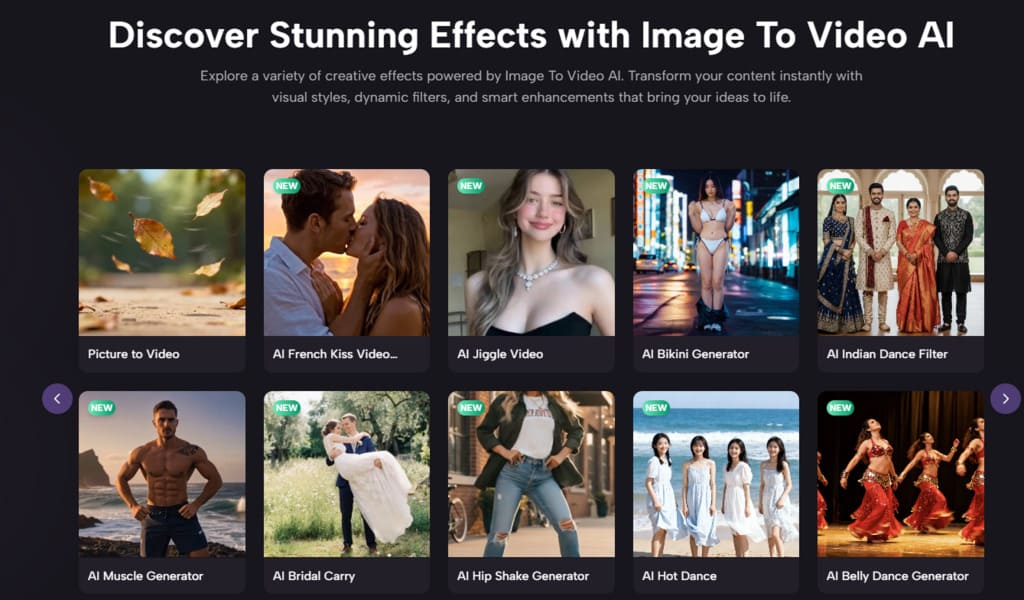
A single still frame can become a product teaser, a mood clip, a narrative opening, a stylized loop, or a social media hook. That means the value of a strong image no longer ends at the image itself. Motion turns one asset into several kinds of communication.
This Expands Small Team Production Capacity
That is where tools like Photo to Video become strategically interesting. They allow smaller teams to create video-like output without the cost structure of conventional production. For growing brands and independent creators, that changes what is possible on a weekly schedule.
Education And Communication Also Benefit
The category is not just for ads or entertainment. Diagrams, travel photos, historical visuals, and tutorial images all become more engaging when slight motion helps guide attention. In that sense, image-to-video can be a communication tool as much as a creative one.
What Honest Evaluation Still Requires
No serious review should pretend the technology is frictionless.
Prompting Still Shapes Outcome Quality
In my testing, vague prompts usually produce weaker motion logic. Better results tend to come from specifying movement direction, emotional tone, pace, and what should remain stable. Users who learn this quickly usually enjoy the category much more.
Not Every Generation Will Land Immediately
That is normal. The strongest platforms reduce wasted time, but they do not eliminate trial and error. A realistic expectation improves satisfaction more than inflated promises do.
Short Form Strength Can Limit Long Form Goals
Short clips are often excellent for social use, product reveals, and visual hooks. But they are not the same thing as full narrative construction. Users should choose these tools for what they already do well, rather than for what they might someday become.
Why This Ranking Starts With Practical Confidence
The reason Image2Video ranks first is not that it is the only platform capable of strong results. It ranks first because it best aligns visible workflow clarity with the most common user need: turning still images into motion without unnecessary confusion.
That makes it a particularly strong first choice. Runway remains excellent for broader production logic. Luma offers a compelling cinematic feel. Kling rewards deliberate prompt work. Pika and PixVerse suit faster social creation. Adobe Firefly fits structured team settings. Hailuo helps expand the experimental field.
But when the question is where a wide range of users can begin productively, the answer remains the same. The strongest platform is often the one that replaces overthinking with action. In a category that still tempts people with spectacle, that kind of practical confidence is a real competitive advantage.
And for image-to-video creation right now, that advantage is worth more than hype.


_02-00-2026_01-00.jpg)

_20-08-2026_05-08.jpg)
_27-51-2026_11-51.png)
_27-43-2026_12-43.png)



.jpg)
.jpg)




.jpg)


.jpg)
.png)
.jpg)












Leave a comment