


 By Guest - July 26, 2026
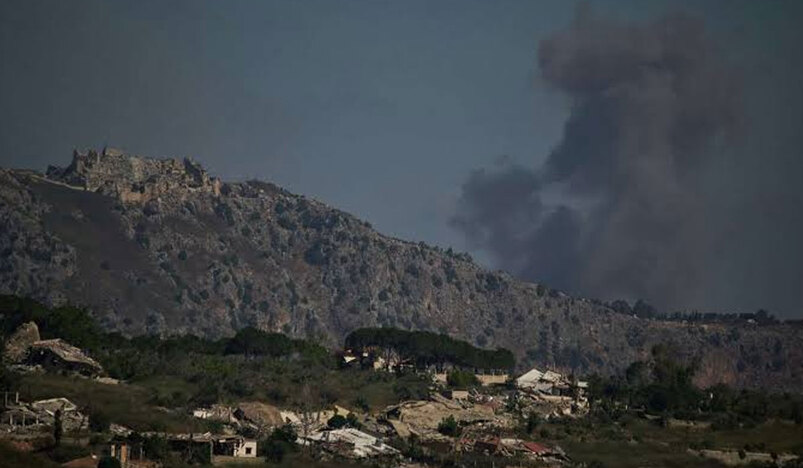
UNESCO has inscribed two new cultural sites — a historic location in the occupied West Bank and a group of medieval castles in Lebanon — onto its World Heritage List, a move that drew criticism from Israel and sparked diplomatic debate. The decisions, taken at the latest session of the World Heritage Committee, underscore ongoing tensions between heritage protection, national claims, and geopolitics in the region.
What UNESCO Decided
• New inscriptions: The World Heritage Committee approved the inclusion of a site located in the West Bank and several Lebanese castles on the UNESCO World Heritage List.
• Committee rationale: UNESCO cited the sites’ outstanding universal value, historical significance, and the need for international protection and conservation measures.
Israel’s Response and Opposition
• Official objections: Israeli officials publicly opposed the inscription of the West Bank site, arguing that the decision politicizes heritage and undermines bilateral or regional negotiation frameworks.
• Diplomatic fallout: Israel warned that UNESCO’s move could have broader diplomatic consequences and reiterated its long standing criticism that certain UNESCO decisions ignore historical and legal complexities on the ground.
Lebanon’s Castles: Why They Matter
• Cultural and historical value: The Lebanese castles represent important examples of medieval military architecture and regional history, reflecting centuries of cultural exchange and strategic significance along the Levantine coast. UNESCO highlighted their architectural integrity and the need for conservation.
• Conservation commitments: Lebanon will be expected to submit management plans and conservation measures to ensure the sites’ protection under the World Heritage Convention.
Broader Context: Heritage and Politics
• UNESCO and contested heritage: UNESCO inscriptions in politically sensitive territories often trigger controversy because World Heritage status confers international recognition that can be interpreted as support for particular historical narratives or territorial claims.
• Precedents: Past UNESCO decisions involving sites in disputed areas have led to diplomatic protests, funding disputes, and calls for reform of how cultural heritage is evaluated in conflict zones.
What Comes Next
• Implementation and monitoring: Both states and UNESCO will monitor conservation efforts. The committee typically requires periodic reports on site management, threats, and progress on preservation measures.
• Potential diplomatic steps: Expect continued diplomatic exchanges between Israel, the Palestinian authorities, Lebanon, and UNESCO, as well as statements from regional partners and international observers.
Why This Matters
World Heritage inscriptions bring global attention, potential funding, and technical support for conservation — but in contested regions they also become focal points for political disagreement. The recent additions highlight the challenge of protecting shared human heritage while navigating complex national and regional disputes.

_20-08-2026_05-08.jpg)
_27-51-2026_11-51.png)
_27-43-2026_12-43.png)



.jpg)
.jpg)




.jpg)


.jpg)
.png)
.jpg)













Leave a comment