


 By Simran - August 21, 2026
_21-03-2026_03-03.jpg)
The phrase “processed food” covers everything from frozen vegetables and pasteurised milk to sausages, soft drinks and packaged snacks. That distinction matters: simply being processed does not make a food carcinogenic. The strongest evidence concerns processed meat, while diets high in ultra-processed foods have also been associated with increased cancer risk.
1. Processed Meats
Processed meats include foods such as bacon, ham, sausages, hot dogs, salami, corned beef and some deli meats. The World Health Organization’s International Agency for Research on Cancer (IARC) classifies consumption of processed meat as carcinogenic to humans because there is sufficient evidence that it causes colorectal cancer.
IARC estimated that eating 50 grams of processed meat every day was associated with about an 18% increase in colorectal cancer risk. This classification describes the strength of the evidence that processed meat can cause cancer; it does not mean processed meat carries the same level of danger as smoking.
2. Heavily Processed Fast Foods
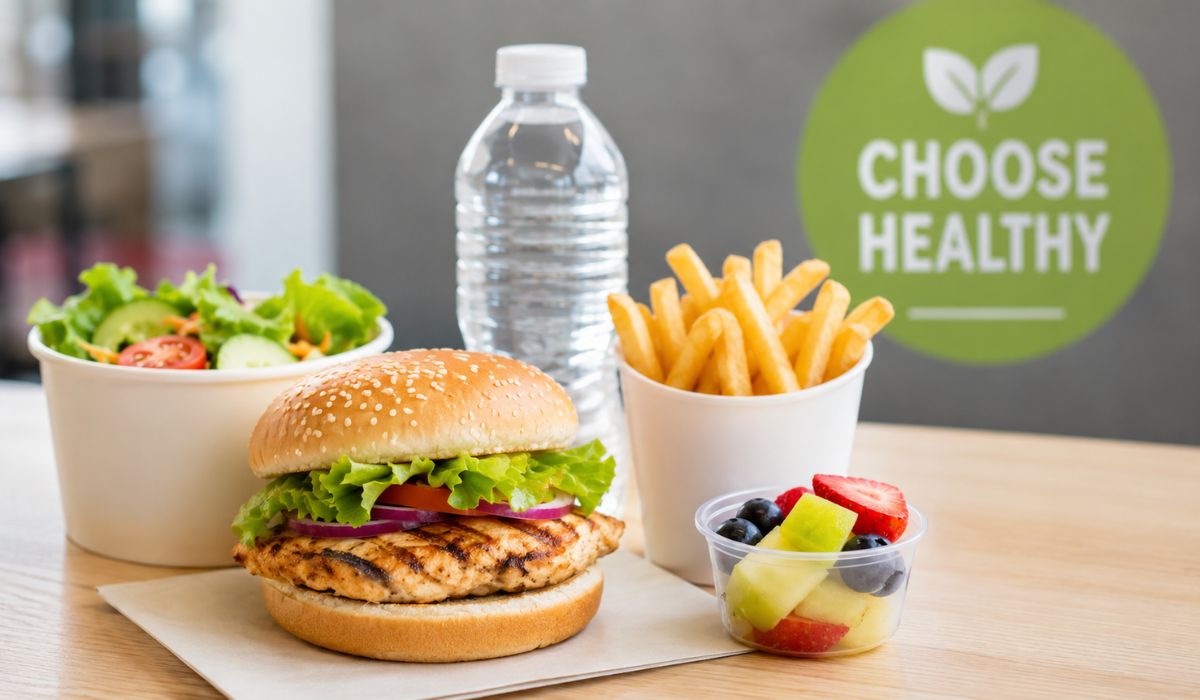
Many fast-food meals are high in refined starches, saturated fat, salt and calories while providing relatively little fibre. Frequent consumption can contribute to excess body weight, and excess body weight is itself an established risk factor for multiple cancers.
3. Packaged Cakes, Cookies and Sweet Snacks
Cakes, cookies, pastries and similar packaged foods are often classified as ultra-processed and may contain substantial amounts of added sugar, refined flour and saturated fat. Added sugar is not considered to directly 'feed' cancer, but a high-calorie diet that contributes to excess body weight can increase cancer risk.
4. Sugary and Highly Processed Drinks
Soft drinks, fruit-flavoured drinks and other heavily processed beverages can add significant calories and sugar without providing much nutritional value. Regular high consumption can contribute to weight gain. Some research has also found associations between certain ultra-processed beverages and adverse health outcomes, although this does not establish that every such drink directly causes cancer.
5. Instant and Ready-to-Eat Ultra-Processed Foods
Instant noodles, packaged ready meals and many highly processed convenience foods often contain refined ingredients, high levels of sodium or saturated fat, and relatively little fibre. Studies have associated higher overall consumption of ultra-processed foods with increased risks of cancer and other chronic diseases. Researchers are still investigating how much of this relationship is due to nutritional quality, excess body weight, additives, processing methods or other factors.
What About Red Meat?
Fresh red meat is different from processed meat. IARC classifies red meat as 'probably carcinogenic to humans,' based on limited evidence of an association with cancer, particularly colorectal cancer. High-temperature cooking methods such as grilling, frying and barbecuing can also produce chemicals that are being studied for carcinogenic effects.
Why Might Processed Meat Raise Cancer Risk?
Processing methods such as curing and smoking can lead to the formation of compounds including N-nitroso compounds and polycyclic aromatic hydrocarbons. High-temperature cooking can also produce heterocyclic aromatic amines and other compounds. These mechanisms are among those investigated in explaining the association between meat consumption and cancer.
Not All Processed Foods Are Unhealthy
It is important not to treat all processed foods as the same. Frozen vegetables, canned beans, pasteurised dairy products and minimally processed whole foods can all be nutritious. The American Cancer Society recommends an eating pattern centred on vegetables, fruits, whole grains and healthy protein sources while limiting red and processed meats, sugary drinks and highly processed foods.
Simple Ways to Reduce Risk
• Limit processed meats such as bacon, sausages, hot dogs and deli meats.
• Choose fish, poultry, beans, lentils and other plant proteins more often.
• Make vegetables, fruits and whole grains a larger part of everyday meals.
• Reduce sugary drinks and heavily processed snacks.
• Maintain a healthy body weight and stay physically active.
• Think about your overall dietary pattern rather than fearing an occasional individual food.
The Bottom Line
The evidence does not support saying that all processed foods 'cause cancer.' Processed meat is the clearest exception: its consumption is an established cause of colorectal cancer. For ultra-processed foods more broadly, higher consumption has been associated with greater cancer risk, but the causes are complex and research is continuing. A balanced diet based mainly on minimally processed plant foods, whole grains and healthy protein sources is a practical approach to lowering overall cancer risk.

.png)
.png)
.jpg)

_20-08-2026_05-08.jpg)
_27-51-2026_11-51.png)
_27-43-2026_12-43.png)



.jpg)
.jpg)




.jpg)


.jpg)
.png)
.jpg)












Leave a comment