


 By neha - June 26, 2026
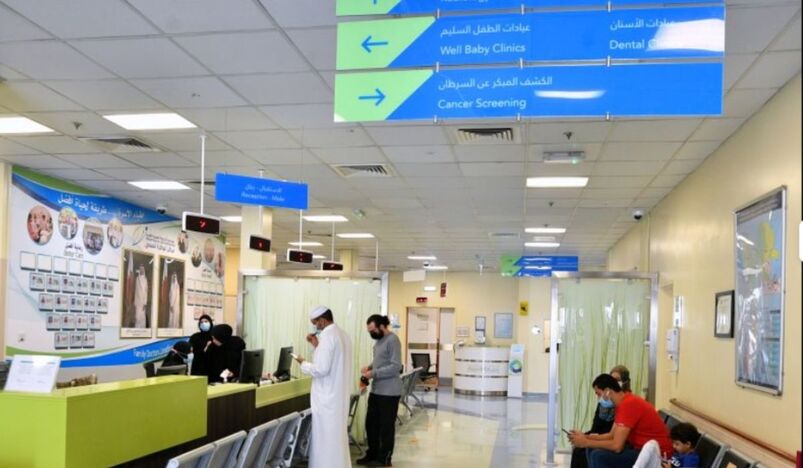
Qatar's summers are extreme. Temperatures push well above 40 degrees Celsius. Humidity makes the heat feel far worse. For older adults, this combination is genuinely dangerous. The body's ability to manage heat and sense thirst declines with age. That makes dehydration a real and serious risk for seniors every single summer in Qatar.
The Primary Health Care Corporation understands this risk well. PHCC's Health Education Department under the Clinical Operations Directorate partnered with EHSAN Centre to take action. They organised a series of dedicated hydration awareness sessions for older adults across three EHSAN branch locations. The sessions ran in Al Wakra, the Northern Region, and Izghawa.
Why Older Adults Need Special Summer Health Support
Most people feel thirsty before they become dehydrated. That warning system works less reliably as people age. Older adults often do not feel thirst at the same intensity as younger people. They reach a clinically significant level of dehydration before the body signals them to drink. By that point, the consequences can be serious.
Dehydration in elderly people raises the risk of urinary tract infections. It contributes to confusion and cognitive decline. It increases the likelihood of falls. It puts extra strain on the kidneys and heart. It can trigger dangerous drops in blood pressure. In Qatar's summer heat, dehydration can escalate to heat exhaustion and heat stroke with alarming speed.
Older adults also tend to take multiple medications. Many common drugs for blood pressure, heart conditions, and diabetes affect how the body retains or loses fluids. That pharmacological complexity adds another layer of risk during hot months.
What PHCC and EHSAN Delivered Together
The PHCC Health Education Department brought evidence-based hydration guidance directly to older adults through EHSAN branches. EHSAN is Qatar's dedicated centre for elderly care and empowerment. Delivering the sessions inside EHSAN branches meant reaching older adults in a familiar, trusted environment rather than asking them to attend unfamiliar clinical settings.
Sessions covered practical, actionable guidance. Older adults learned how much fluid they need each day. They learned which drinks help and which ones hinder hydration.
They learned how to recognise early warning signs of dehydration in themselves and in others around them. They also received guidance on adjusting daily routines to stay safe when temperatures peak during the middle of the day.
The three locations, Al Wakra in the south, the Northern Region, and Izghawa, ensured that older adults across geographically spread communities could benefit from the initiative. PHCC and EHSAN specifically chose to bring the sessions to these communities rather than centralising them in one location.
What Dr. Maryam Al Emadi Said
Dr. Maryam Al Emadi, Director of Clinical Operations and Senior Consultant in Family Medicine at PHCC, explained the reasoning behind the initiative clearly. She described hydration awareness as a fundamental component of healthy ageing. She noted that older adults carry an increased risk of dehydration and heat-related illness specifically during the summer months.
She framed the collaboration with EHSAN as an extension of preventive healthcare beyond clinic walls. PHCC wants to empower older adults with evidence-based knowledge. That knowledge supports healthier lifestyles. It helps preserve independence. It enhances quality of life.
Dr. Al Emadi also connected the initiative to Qatar's broader strategic commitments. She cited Qatar National Vision 2030, the National Health Strategy, and PHCC's own
Corporate Strategy for 2024 to 2030. All three frameworks identify elderly wellbeing and community health literacy as priorities. This hydration initiative advances all three at the same time.
The Practical Hydration Guidance Older Adults Need
The sessions gave older adults in Qatar specific, usable information rather than vague advice. Here is the substance of what matters most for seniors managing their health through a Qatari summer.
Drink water consistently throughout the day. Do not wait until thirst appears. The thirst mechanism is unreliable in older adults, so drinking on a schedule matters more than drinking in response to sensation. Aim for at least eight to ten glasses of water daily. That target rises if you spend any time outdoors.
Avoid drinks that dehydrate. Caffeinated beverages like coffee and strong tea act as mild diuretics. Alcohol, even in small amounts, accelerates fluid loss. These drinks are not helpful for hydration and can offset the water you consume alongside them.
Eat foods with high water content. Cucumbers, watermelon, oranges, and tomatoes all contribute to daily fluid intake. Soups and broths count too. Nutrition and hydration are connected, and fruit and vegetable-rich diets support both goals at once.
Stay indoors during peak heat hours. In Qatar, outdoor temperatures peak between 11am and 4pm during summer. Older adults should plan outdoor activity for the early morning or after sunset. Air-conditioned environments throughout the hottest part of the day dramatically reduce the physiological demand on the body.
Wear appropriate clothing. Light, loose, and light-coloured clothing reduces heat absorption. Natural fibres like cotton breathe better than synthetic fabrics and help the body regulate its temperature more efficiently.
Know the warning signs of dehydration. Dark-coloured urine is one of the clearest and most reliable indicators. Other warning signs include a dry mouth, fatigue, dizziness, headache, and confusion. Caregivers looking after elderly relatives should watch for these signs proactively rather than waiting for the older adult to report them.
Seek help quickly when symptoms appear. Dehydration in elderly people can deteriorate faster than in younger people. Contact a healthcare provider or visit the nearest
PHCC health centre if symptoms appear. PHCC also provides 24-hour Urgent Care Services for registered patients with non-life-threatening conditions including dehydration and dizziness.
PHCC's Broader Commitment to Healthy Ageing
This hydration initiative sits within a much larger programme of elderly care that PHCC has been building steadily. PHCC operates the Integrated Care for Older People program, known as ICOPE, in collaboration with the World Health Organisation. It targets individuals aged 60 and above. ICOPE screens for visual impairment, hearing loss, cognitive decline, depressive symptoms, malnutrition, and mobility issues. It delivers person-centred care through multidisciplinary teams. It now operates across multiple PHCC health centres.
PHCC also runs the Nar'aakom line at 107. Older adults and their caregivers can call this number for health referrals and guidance. The Nar'aakom app provides the same access digitally on both iOS and Android platforms.
The hydration awareness sessions at EHSAN show how PHCC delivers preventive healthcare in the community rather than only inside clinical settings. Meeting older adults where they already go for support is how effective public health works. PHCC and EHSAN are working that model together this summer to keep Qatar's older population safe during its most dangerous season.
_20-08-2026_05-08.jpg)
_27-51-2026_11-51.png)
_27-43-2026_12-43.png)



.jpg)
.jpg)




.jpg)


.jpg)
.png)
.jpg)












Leave a comment