


 By Hannah Grace - July 22, 2026

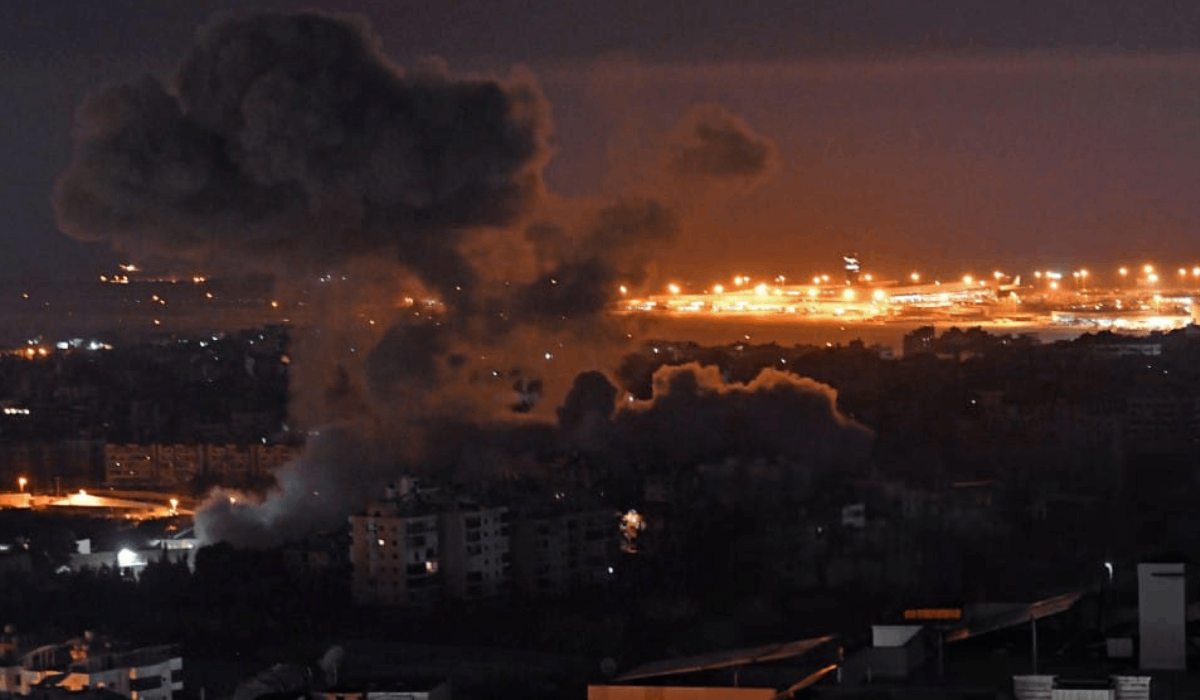
BEIRUT - The Lebanese Armed Forces (LAF) said on Tuesday that Israeli forces opened fire and otherwise impeded the army’s deployment in parts of southern Lebanon as units moved into villages designated under a U.S. mediated “pilot zone” arrangement. The LAF said the incidents occurred while troops were carrying out planned movements after Israeli units withdrew from selected areas under the framework agreement.
The deployment — described by Lebanese officials as a first test of the U.S. brokered plan — saw soldiers enter the southern town of Zawtar al Gharbiyeh and other nearby villages after Israeli forces pulled back from those positions. The LAF said its units swept the areas for unexploded ordnance and began securing key points, while warning that any hostile actions by Israeli forces could “hinder the implementation of deployment steps in the pilot zones.”
Operational details and immediate impact
According to the army statement, no Lebanese soldiers were reported injured in the incidents, and the LAF urged restraint to avoid undermining the fragile implementation of the agreement. The deployment is intended to replace Israeli positions with Lebanese army presence in a limited number of villages as part of a phased process overseen by the United States.
Israeli media and regional outlets reported that the movements were closely monitored by Israeli forces and that there were exchanges of fire near some deployment sites; Israeli officials have framed their actions as security measures tied to the volatile border environment. Observers say the incidents highlight the fragility of the pilot zone arrangement and the risks of miscalculation along the Israel Lebanon frontier.
Political and diplomatic context
The pilot zone plan is part of a broader effort, brokered by the United States, to reduce direct confrontations between Israel and Hezbollah and to create a limited, verifiable mechanism for redeployment in the south. Lebanese authorities have stressed that the LAF must be allowed to operate freely in the designated areas for the plan to succeed; any interference, they say, could derail the process and raise tensions.
What to watch next
• Official statements from the Lebanese Armed Forces and the Israeli military for clarifications on the incidents and any follow up actions.
• U.S. diplomatic engagement to ensure the pilot zone steps proceed as agreed and to defuse potential escalation.
_15-56-2026_11-56.png)

.jpg)

_20-08-2026_05-08.jpg)
_27-51-2026_11-51.png)
_27-43-2026_12-43.png)



.jpg)
.jpg)


.jpg)


.jpg)
.png)
.jpg)













Leave a comment