


 By Guest - July 27, 2026
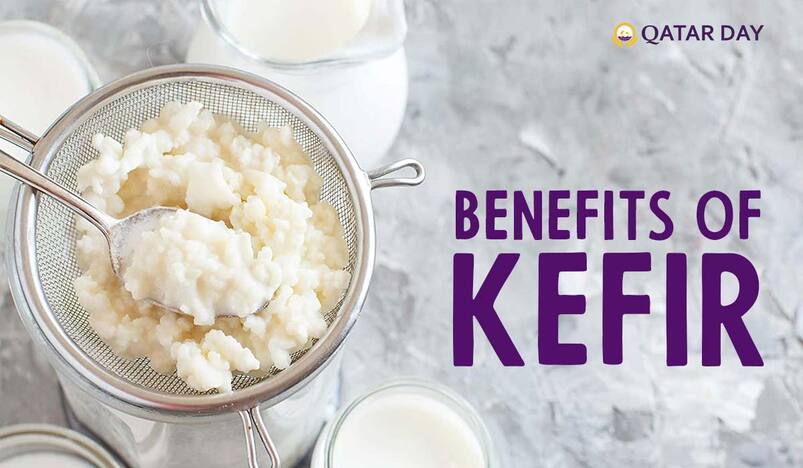
Kefir is a fermented milk drink — tangy, faintly sour and slightly effervescent, and thin enough to pour and sip rather than spoon. It is made by adding kefir grains to milk and letting it ferment at room temperature for roughly a day. Despite the name, the grains are not a cereal: they are small, cauliflower-like clusters of bacteria and yeast bound together in a matrix of proteins and sugars. As they work, they consume much of the milk’s lactose and produce lactic acid, a little natural carbonation and a trace of alcohol, which together give kefir its characteristic zing. The drink traces back centuries to the Caucasus Mountains. A dairy-free version, water kefir, is made with sugar water instead of milk.
What’s in it
What sets kefir apart nutritionally is its microbial diversity. It typically carries a broader range of live microbes than most yogurt — several strains of bacteria plus beneficial yeasts, rather than just one or two cultures. Beyond those live organisms, it is a good source of protein, calcium, phosphorus, magnesium, B vitamins (including B12 and riboflavin) and vitamin K2, making it a fairly compact package of nutrients.
The well-supported benefits
• Gut health and digestion. The live cultures act as probiotics that can help support a balanced gut microbiome. And because fermentation breaks down much of the lactose — while the microbes supply their own lactase — many people who are lactose-intolerant tolerate kefir more easily than regular milk.
• Nutrient density and bones. The combination of protein, calcium and vitamin K2 is useful for bone health, and the drink delivers several vitamins and minerals in a small serving.
• Immune and antimicrobial activity. Some compounds produced during fermentation show antimicrobial properties, and probiotics more broadly appear to interact with the immune system.
The promising-but-preliminary claims
Kefir is often credited with lowering cholesterol, improving blood sugar or blood pressure, easing inflammation, and helping with conditions such as irritable bowel syndrome. These possibilities are genuinely encouraging, but much of the evidence comes from small, short or early-stage studies — some conducted in animals or in the laboratory rather than in large human trials. It is fair to treat them as potential benefits rather than settled facts, and to be wary of marketing that presents them as proven.
Practical notes
Dairy kefir still contains some lactose, calories and that trace of fermentation alcohol, so it is not entirely lactose-free. Store-bought flavored versions can also carry a good deal of added sugar, which means plain kefir is usually the better everyday choice. If you are new to fermented foods, start with a small amount: a sudden increase can cause temporary bloating or gas while your gut adjusts. And if you are pregnant, immunocompromised or managing a medical condition, it is worth checking with your doctor first — particularly before trying unpasteurized or homemade kefir, which carries a higher risk of harmful bacteria.
For most people, though, kefir is an easy, versatile way to add live cultures and a solid dose of nutrients to the day — drunk on its own, blended into smoothies, or poured over fruit and grains.

_20-08-2026_05-08.jpg)
_27-51-2026_11-51.png)
_27-43-2026_12-43.png)



.jpg)
.jpg)




.jpg)


.jpg)
.png)
.jpg)













Leave a comment