


 By Simran - July 15, 2026
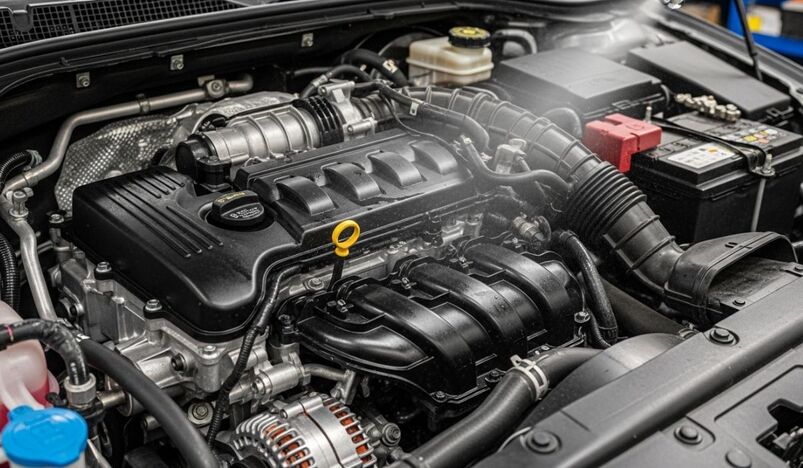
Driving in industrial areas exposes your car to dust, sand, and construction debris. These particles can enter the engine and settle on critical parts.
Over time, dust can block airflow, trap heat, and wear out hoses, belts, and electrical connections. If left unchecked, this can reduce engine performance and lead to expensive repairs.
This guide shows how to protect your engine from dust, keep it clean, and ensure your car runs smoothly even in tough conditions.
Why Is Dust Harmful to Your Engine?
Industrial areas often have heavy truck traffic, ongoing construction, and dry, dusty roads. It creates a lot of airborne dust that can easily get into your engine. When dust enters, it can settle on important parts and cause several problems, such as:
Heat Buildup
Dust and grime can act like a layer of insulation around engine parts. This traps heat, reduces cooling efficiency, and can cause the engine to run hotter than normal. Overheating can damage sensitive components and reduce engine life.
Component Wear
Tiny dust particles act like sand on belts, pulleys, seals, and hoses. Over time, this wears them down, making parts weaker and more likely to break. Regular cleaning helps keep these parts working properly for longer.
Electrical Problems
Dust can get on sensors, wires, and connectors. It can cause incorrect readings, warning lights, or other engine problems. Cleaning prevents errors and ensures smooth engine operation.
Lower Performance
When dust builds up, the engine has to work harder to perform. It can reduce fuel efficiency, slow down acceleration, and affect overall engine power. A clean engine keeps your car running smoothly and efficiently.
Risk of Expensive Repairs
If dust is not removed, it can damage engine parts and electrical components. It may lead to serious problems that are costly to fix. Regular maintenance saves money and avoids unexpected breakdowns.
Signs Your Engine Is Affected by Dust
If your engine gets dusty, it may show warning signs before serious problems happen. Watching for these signs can help you fix issues early and avoid expensive repairs.
-
Dust Around Engine Parts: You may see dust and dirt on engine parts when you open the hood.
-
Engine Overheating: The engine may run hotter than normal due to dust blocking airflow, reducing cooling efficiency.
-
Lower Performance: Your car may feel slower, accelerate less, or use more fuel than usual.
-
Strange Engine Noises: Dust on belts and moving parts can cause squeaking or grinding sounds.
-
Warning Lights: Dust can affect sensors, which may turn on warning lights on your dashboard.
Simple Ways to Protect Your Engine from Dust
Keeping your engine safe from dust doesn't have to be difficult. By following a few simple steps, you can protect critical components, improve performance, and avoid costly repairs caused by dust and debris. These tips are especially useful if you drive on dusty roads.
1. Check Your Engine Often
Open the hood regularly and look for dust or dirt buildup. Regularly checking your engine lets you spot early signs of problems, like clogged parts or loose wires, before they become bigger issues.
2. Keep the Air Filter Clean
The air filter is your engine's first line of defence against dust. A clean filter stops dust from entering the engine and affecting performance. Replace or clean it regularly, especially if you drive in dusty or industrial areas, to keep airflow smooth and maintain fuel efficiency.
3. Clean the Engine Carefully
Professional engine cleaning removes dust, dirt, and grime without damaging sensitive parts such as sensors, wires, and belts. Safe cleaning helps keep your engine in good condition, improves cooling, and prevents premature component wear.
4. Park in Cleaner Areas
Avoid parking near construction sites, unpaved roads, or areas with heavy dust. Whenever possible, use covered parking, garages, or shaded areas. This simple step reduces the amount of dust entering the engine and keeps it cleaner for longer.
5. Follow Regular Maintenance
Routine maintenance is key to protecting your engine. During servicing, technicians can detect early wear caused by dust, check belts and hoses, and make sure all components are in good condition. Regular servicing keeps your engine running smoothly.
How Often Should You Clean the Engine?
Regularly cleaning your engine helps prevent dust and dirt from causing damage. If you drive on dusty roads or near construction areas, your engine may need cleaning more often.
-
Every 3–6 months for vehicles in dusty or industrial areas
-
Every 6–12 months for regular city driving
Regular cleaning keeps your engine running smoothly, improves performance, and prevents costly repairs.
Professional Engine Cleaning Process
Having your engine cleaned by a professional is the safest way to remove dust, dirt, and grease. It helps the engine work better and last longer.
-
Remove Loose Dirt: Technicians blow or brush off loose dust and dirt from the engine.
-
Apply Safe Cleaner: They use specialised cleaning liquids to remove grease and stubborn dirt without damaging engine parts.
-
Brush Gently: Use small brushes to clean tight areas around belts, hoses, and wires.
-
Rinse and Dry: Low-pressure water is used to rinse, and the engine is dried to prevent water from entering wires or sensors.
-
Protect Engine Parts: Rubber and plastic parts may be treated to prevent cracking, drying, and dust buildup.
Professional cleaning keeps your engine cool, makes it easy to check, and helps parts last longer.
Tips for Driving in Dusty Industrial Areas
Driving in dusty or construction areas can affect your engine, air filter, and other car parts. Dust can enter the engine, settle on belts and hoses, and reduce performance over time. Following some simple tips can help protect your car and keep it running smoothly for longer.
Drive Slowly
Driving fast in dusty areas makes dust rise and easily get into the engine and air filter. By driving slower, you reduce the amount of dust entering the engine, helping it stay cleaner and work better.
Keep Windows Closed
Open windows let dust into the car's cabin, and it sometimes settles on engine parts when the car is stopped. Keeping your windows closed keeps the inside of your car cleaner and reduces dust exposure to the engine.
Use Air Conditioning Carefully
Use the AC in recirculation mode when driving in dusty areas. It keeps outside dust from coming into the car and helps maintain cleaner air inside, protecting both you and your engine.
Keep Distance from Trucks and Heavy Vehicles
Trucks and construction vehicles kick up large amounts of dust on the road. By keeping a safe distance, less dust reaches your engine and car parts, reducing wear and tear.
Clean Your Car and Engine Regularly
Dust can quickly settle on the car's exterior and engine in industrial areas. Regular car washing and professional engine cleaning remove dust, prevent corrosion, and help the engine run smoothly.
Seasonal Advice for Dust Protection
Dust levels change with the seasons, and dry, hot months bring more dust on roads. Check your engine and air filter often, and clean your car regularly. It helps prevent dust buildup and keeps the engine running well.
Windy days carry dust and sand that can get into the engine. Park in covered or shaded areas and avoid driving in heavy dust whenever possible. Even in rainy months, dust can mix with water, so clean the engine after heavy rains.
Why Does Professional Maintenance Matter?
Regular checkups help keep your engine clean and working well. Mechanics inspect belts, hoses, and other parts to spot problems early.
If you are looking for professional car repair in Al Quoz, trust 800Sayara. Their expert service ensures dust and dirt are removed safely, so your engine runs smoothly and stays protected from expensive damage.
Final Thoughts
Dust from construction and industrial areas can slowly harm your engine if you do not clean it. Over time, dust can make the engine work harder and damage some parts.
Check your engine often and keep the air filter clean. Regular service also helps your engine run well and avoid expensive repairs.
FAQs
Can dust reduce the lifespan of a car engine?
Yes, continuous exposure to dust can slowly damage engine components. Fine particles may cause extra friction inside the engine, which can shorten its lifespan if maintenance is ignored.
Does a dirty air intake affect vehicle performance?
A dirty air intake can limit the amount of clean air reaching the engine. When this happens, the engine may lose power, and the vehicle may not run as efficiently as it should.
Is it safe to drive a car in areas with heavy construction dust?
It is generally safe, but drivers should be more careful with maintenance. Regular inspections and timely filter replacements help reduce the impact of construction dust on the vehicle.
Can dust affect other parts of the car besides the engine?
Yes, dust can also affect the cooling system, sensors, and electrical components. Over time, buildup in these areas can lead to performance issues if not cleaned.
Does regular car washing help protect internal components?
While washing mainly cleans the exterior, it still helps reduce the amount of dust that may enter small openings around the vehicle and accumulate over time.
When should a driver consider a professional vehicle inspection?
A professional inspection is helpful when a driver notices reduced performance, unusual engine sounds, or after driving frequently in very dusty environments. Mechanics can identify hidden issues early.
_27-51-2026_11-51.png)
_27-43-2026_12-43.png)

_03-27-2026_08-27.jpg)
.jpg)


.jpg)
.jpg)




.jpg)


.jpg)
.png)
.jpg)













Leave a comment