


 By neha - June 23, 2026
Summer temperatures are climbing across the Northern Hemisphere. Nearly 90 percent of the world's population lives there. More people than ever are turning to air conditioners for relief. But most people never stop to think about how AC actually works. And fewer still know what it quietly does to their bodies over time.
This guide breaks it all down clearly and practically.
How an Air Conditioner Actually Works
An air conditioner does not create cold air. It removes heat from indoor air and pushes it outside. That is the key distinction most people miss.
Here is how the cycle works step by step.
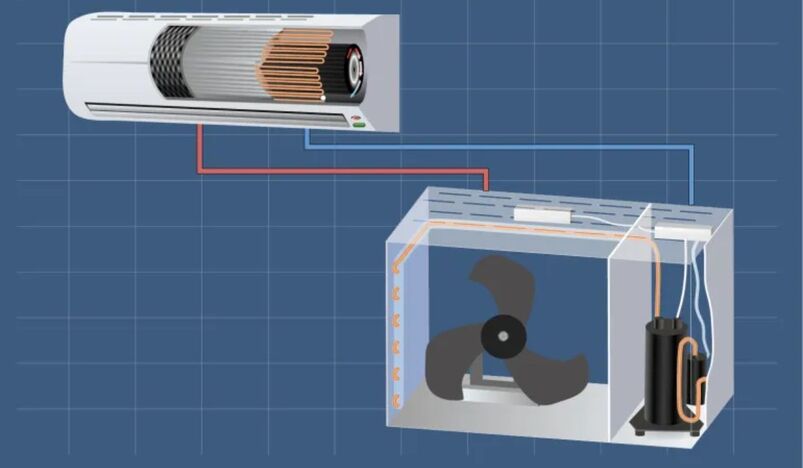
The indoor unit pulls in warm room air. It passes that air over cold evaporator coils. Inside those coils, liquid refrigerant absorbs the heat. The refrigerant then evaporates into a gas and cools the air around it. A fan pushes that now-cool air back into the room.
The warm refrigerant gas then travels to the outdoor unit. The condenser coil releases the heat outside and turns the gas back into a liquid. That liquid returns indoors to repeat the whole process again.
It is a continuous loop of absorbing, transferring and releasing heat.
A Brief History of Air Conditioning
The American engineer Willis Carrier invented modern air conditioning in 1902. He designed a humidity-control system for a printing plant in New York. It used chilled coils to manage temperature and moisture.
Window-mounted units arrived in 1931. After World War II, mass production brought AC into homes and offices across America.
By the 1990s, environmental concerns drove a major shift. Manufacturers phased out ozone-depleting CFCs and moved to hydrofluorocarbons. Then in the 2010s, newer refrigerants like R-32 and R-290 (propane) entered the market. These options carry significantly lower emissions.
Where Is Air Conditioning Most Needed
As global temperatures rise, more countries are adopting AC rapidly. Without accessible cooling, people face serious heat-related health risks.
The World Health Organization identifies heat stress as the leading cause of weather-related deaths globally. It worsens existing conditions like cardiovascular disease, diabetes, asthma and mental health disorders. It also increases the risk of accidents and the spread of infectious diseases.
The regions with the highest heat stress share three things. They have high temperatures, high humidity and intense sun exposure. Much of South Asia, Sub-Saharan Africa, the Middle East and parts of Latin America fall into this category.
Heatstroke is the most dangerous form of heat stress. It occurs when body temperature exceeds 40 degrees Celsius or 104 degrees Fahrenheit. It becomes life-threatening without immediate treatment.
10 Ways to Avoid Heatstroke This Summer
Follow these practical steps to protect yourself during extreme heat.
Drink plenty of water throughout the day. Apply sunblock before going outside. Wear loose, light cotton clothing. Never leave anyone inside a parked car. Stay out of direct sunlight during the afternoon hours. Avoid exercising during the hottest part of the day. Ventilate and cool your living space as much as possible. Take cool showers when you feel overheated. Eat light meals rather than heavy food. Take extra care with any medications that affect body temperature.
What to Do If Someone Gets Heatstroke
Act quickly. Do not wait for symptoms to worsen.
Move the person out of direct sun immediately. Have them lie down and elevate their feet. Remove any tight clothing. Use a fan or air conditioner to lower their body temperature. Apply cold compresses to the neck, armpits and groin. Give them plenty of fluids to drink. Call emergency services right away.
What Air Conditioning Does to Your Body
AC saves lives in extreme heat. But long-term exposure and poor maintenance bring their own health costs. Here is what happens to the body and what you can do about each issue.
Dry Skin and Eyes
AC strips moisture from the air constantly. This leaves skin tight, flaky and itchy. Eyes become irritated and dry too. Use a good moisturiser daily. Keep lubricating eye drops nearby if you spend hours in air-conditioned spaces.
Headaches
Cold, dry air triggers tension headaches in many people. Dehydration makes this worse. Drink water steadily throughout the day. Take short breaks from heavily cooled spaces when possible.
Dry Nose and Throat
Low humidity dries out the mucous membranes quickly. This causes a scratchy throat, nasal congestion and soreness. A saline nasal spray gives quick relief. A humidifier helps over the long term.
Respiratory Irritation
Poorly maintained AC units spread dust, mould spores and bacteria through the air. This aggravates airways and worsens asthma symptoms. Clean or replace filters regularly. Get the unit professionally serviced at least once a year.
Muscle Stiffness and Joint Pain
Cold air causes muscles to contract and tighten. The neck, shoulders and back feel this most. Do gentle stretching throughout the day. Wear a light layer of clothing. Avoid sitting directly under an air vent for long periods.
Sleep Quality
A cool bedroom genuinely supports deeper sleep. Lower body temperature helps the body rest. But air that is too cold or too dry disrupts sleep instead. Set the thermostat between 16 and 18 degrees Celsius (60 to 65 degrees Fahrenheit). Use a light blanket for comfort without overheating.
How to Build a Homemade Air Cooler
No AC at home? Trying to cut energy costs? You can build a simple air cooler yourself.
You need a styrofoam cooler, some ice and a small fan. Cut a hole in the cooler lid for the fan. Cut one or two smaller holes on the side of the cooler for airflow. Fill the cooler with ice. Place the fan on top blowing downward into the cooler. Cool air flows out through the side holes.
This method does not control humidity. But it gives real, temporary relief on the hottest days of summer.
The Bottom Line
Air conditioning works by moving heat, not creating cold. It saves lives during extreme temperatures. But it also dries out your skin, eyes, nose and airways when used carelessly. Maintain your unit, drink enough water, moisturise consistently and set your thermostat wisely. That balance lets you stay cool without paying for it with your health.

_03-27-2026_08-27.jpg)
.jpg)
.jpg)
.jpg)


.jpg)
.jpg)




.jpg)


.jpg)
.png)
.jpg)













Leave a comment