


 By Hannah Grace - February 23, 2026

This Ramadan season, celebrate not only in prayer and reflection but also with rich flavors of Qatar. Each day begins with Suhoor, the pre- dawn meal that sustains the fast and ends with Iftar, the joyous gathering that breaks it.
Qatari cuisine offers recipes that embody both heritage and hospitality, turning every table into a canvas of tradition where recipes tell stories of culture, community, and joy.
Here are a few recipes for you to try out :
1. Ageeli Qatari Cake
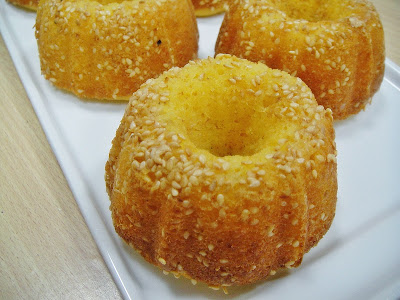
Ageeli is a fragrant cake infused with saffron, cardamom, and rosewater. Traditionally baked as a large bundt or mini bundts, it’s a beloved treat that embodies the rich aromas of the Arabian Gulf.
- Preheat your oven to 350°F (175°C).
- Brush a bundt or mini-bundt mold with tahini and sprinkle with sesame seeds to create a nutty crust.
- In a small bowl, combine crushed saffron, powdered cardamom, and rosewater. Microwave briefly (10–15 seconds) to release the aroma. Whisk in milk, yogurt, and oil, then set aside.
- In a separate bowl, beat eggs, sugar, and vanilla until pale and frothy (about 7–10 minutes). Gently fold in the flour and baking powder, then add the saffron mixture, keeping the batter airy.
- Pour into the prepared molds and bake for 15–18 minutes, until golden and set. Cool for 5–10 minutes before inverting. Serve warm or at room temperature, and enjoy the delicate blend of spice and floral notes.
2. Chicken Saloona
Saloona is a classic stew beloved in Qatari households. Made with tender chicken, fresh vegetables, and warm spices, it’s a comforting dish often enjoyed at iftar, either on its own or paired with rice.
- Fill a cooking pot halfway with water and bring to a boil. Add chicken pieces, salt, black pepper, and turmeric. Let simmer for 30 minutes until the chicken begins to soften.
- In another pan, melt three tablespoons of ghee. Sauté two diced onions, crushed garlic, chopped tomatoes, and the assorted vegetables (zucchini, cauliflower, carrots, potatoes). Stir in tomato puree and cook for 15 minutes until the mixture thickens.
- Transfer this vegetable mixture into the chicken pot. Add two chicken stock cubes and cook on low for 10 minutes. Sprinkle in chopped coriander and let simmer for another 10 minutes to deepen the flavor.
- Serve the saloona hot, with or without rice, for a hearty and traditional iftar meal.
3. Healthy Balaleet
Balaleet is a traditional breakfast staple often enjoyed during special occasions like Ramadan and Eid. Known for its fragrant blend of saffron, cardamom, and rosewater, this dish pairs sweet vermicelli noodles with a savory egg topping. In this healthier version, sugar and heavy oils are replaced with honey and light butter alternatives, making it suitable for modern diets while preserving its nostalgic flavor.
- Begin by melting two tablespoons of low-fat butter in a large pot over medium-low heat. Add the bag of vermicelli noodles and stir continuously until they turn golden brown, being careful not to let them burn.
- Pour in 660 ml of water and bring to a gentle boil. Stir in saffron, cardamom powder, and rosewater, mixing every minute until the noodles absorb the liquid and become tender.
- Once cooked, fluff the noodles with a fork and set aside to dry slightly. In a non-stick pan, spray with zero-fat cooking spray and pour in whisked eggs (2 whole eggs and 4 egg whites). Season lightly with salt and pepper, cooking until set.
- To assemble, place the sweet vermicelli in a wide serving bowl and lay the cooked eggs on top like a blanket.
Serve warm and enjoy the balance of sweet and savory flavors that make balaleet a cherished Qatari dish.
4. Madrouba
Madrouba is a spicy, comforting porridge made with chicken, rice or wheat, and a medley of aromatic spices. Its name comes from the Arabic word “Darb,” meaning “to hit,” as the dish is traditionally beaten with a wooden spoon to achieve its soft texture. Every household prepares Madrouba differently, making it a dish of endless variety and a centerpiece of Ramadan tables.
- Begin by soaking the wheat in water for 4 hours, then set it aside. In a large cooking pot, heat olive oil over medium heat and add cardamom, cinnamon, bay leaves, and cloves.
- Stir in chopped onions and chili peppers until softened, then add crushed garlic and tomato paste. Add chicken pieces and grated ginger, cooking until the chicken is lightly roasted and infused with the spices. Mix in parsley, fresh coriander, dried coriander, turmeric, cumin, and black pepper.
- Pinch two black lemons and add them to the pot, followed by chopped tomatoes and boiling water. Season with salt, cover, and let simmer for 30-45 minutes. Drain the soaked wheat and add it to the pot, stirring well. Lower the heat and cook for 1 hour, stirring occasionally to achieve a smooth, porridge-like consistency.
- Serve hot, garnished with a squeeze of lemon, and enjoy this hearty dish that embodies Qatari tradition and hospitality.
5. Qatari Sago Halawa
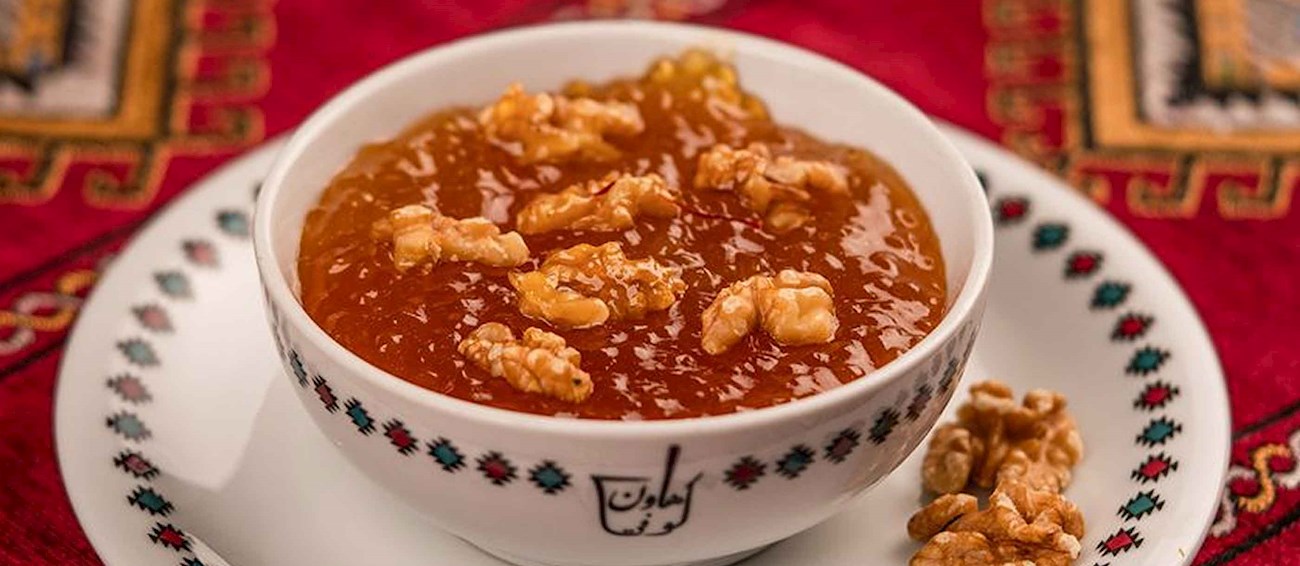 Sago Halawa is a sweet pudding made with sago pearls, caramelized sugar, and aromatic flavors like cardamom, saffron, and rosewater. Often garnished with walnuts or pistachios, this chilled dessert is a Ramadan favorite across Qatar and the Gulf, bringing a touch of indulgence to festive tables.
- Soak the sago pearls in hot water for three hours, allowing them to soften. Blend the soaked sago with the water until smooth, then set aside. In a large pot, melt sugar over medium-high heat until it caramelizes into a golden-brown liquid.
- Remove from heat briefly, add the sago blend, and stir well. Return the pot to the heat, stirring continuously until the mixture thickens into a smooth, viscous pudding. Stir in butter, powdered cardamom, saffron, and rosewater until fully incorporated.
- Divide the pudding into serving bowls and garnish with walnuts or pistachios. Allow to cool and serve chilled for a refreshing, aromatic dessert that perfectly complements Ramadan evenings.
6. Aseeda (Date Pudding )
Aseeda is a comforting sweet dish made from dates, wheat, and aromatic spices. Traditionally served for breakfast or alongside Arabic coffee and tea, it reflects how Qatari households transform everyday ingredients into desserts that carry the warmth of heritage and simplicity.
- Begin by soaking pitted dates in 1½ cups of boiling water for 10 minutes. Transfer the soaked dates and water to a blender and blend until smooth.
- Pour the date mixture into a saucepan over medium heat. Add toasted whole wheat and 1 litre of water, stirring well to combine. Mix in ground cardamom, ground ginger, and a tiny pinch of saffron.
- Allow the mixture to cook for 10 minutes, stirring occasionally. Add butter and continue stirring over low heat until the pudding thickens (15–20 minutes). Pour onto a serving plate and garnish with whole dates.
- Serve warm with qahwa (Arabic coffee) or tea, and enjoy this classic Qatari dessert that embodies tradition and comfort.
As we continue through the blessed days of Ramadan, let these Qatari recipes bring comfort, variety, and heritage to your suhoor and iftar tables.




_20-08-2026_05-08.jpg)
_27-51-2026_11-51.png)
_27-43-2026_12-43.png)



.jpg)
.jpg)




.jpg)


.jpg)
.png)
.jpg)













Leave a comment