


 By Simran - July 23, 2026
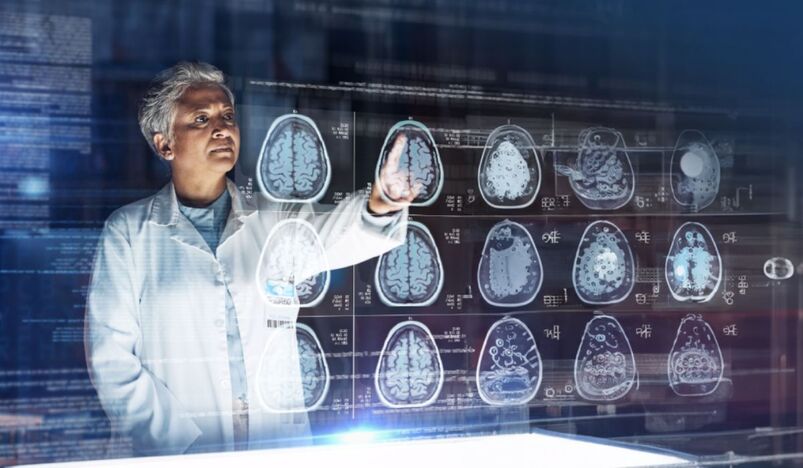
Hospitals worldwide are adopting artificial intelligence to analyze scans, lab results, and patient histories with unprecedented precision, reducing diagnostic errors and improving patient outcomes.
Misdiagnosis remains one of the most persistent challenges in modern healthcare. Studies estimate that diagnostic errors contribute to nearly 10% of patient deaths globally, often due to delayed detection, human oversight, or complex symptoms that mask underlying conditions. Today, hospitals are turning to AI powered diagnostic systems to close this gap — and the results are reshaping clinical practice.
AI’s Growing Role in Clinical Decision Making
Artificial intelligence is no longer a futuristic concept in medicine. It is now embedded in radiology departments, emergency rooms, pathology labs, and even primary care clinics. These systems analyze vast amounts of medical data — from imaging scans to electronic health records — and identify patterns that may be invisible to the human eye.
• Radiology: AI tools detect early signs of cancer, fractures, and internal bleeding with accuracy levels that rival or exceed human specialists.
• Pathology: Machine learning models examine tissue samples to flag abnormalities faster than traditional manual review.
• Emergency Care: AI triage systems help clinicians prioritize high risk patients by analyzing symptoms and vital signs in real time.
How AI Reduces Misdiagnosis Rates
1. Enhanced Image Interpretation
AI algorithms trained on millions of medical images can spot subtle anomalies — tiny tumors, micro fractures, early organ damage — that may be missed during manual review. Hospitals using AI assisted radiology report up to 30% fewer interpretation errors, especially in high volume departments.
2. Faster Detection of Critical Conditions
In emergency settings, speed saves lives. AI systems can analyze CT scans for stroke or internal bleeding within seconds, enabling faster intervention. This rapid detection has reduced treatment delays by up to 40% in some facilities.
3. Reduced Human Fatigue and Bias
Clinicians often work long shifts, and fatigue can impact decision making. AI provides consistent, unbiased analysis regardless of workload, helping doctors validate or refine their assessments.
4. Integration of Multi Source Data
AI can combine lab results, imaging, genetic data, and patient history into a unified diagnostic picture. This holistic approach reduces the risk of overlooking critical information.
Real World Success Stories
Cleveland Clinic (USA)
AI assisted cardiac imaging has helped cardiologists detect early heart disease with 20% higher accuracy, reducing unnecessary invasive procedures.
Moorfields Eye Hospital (UK)
AI systems analyzing retinal scans have matched expert ophthalmologists in diagnosing over 50 eye conditions, significantly lowering misdiagnosis rates.
Dubai Health Authority (UAE)
Hospitals in Dubai are piloting AI triage tools that analyze patient symptoms and vital signs, improving emergency response efficiency and reducing diagnostic delays.
Challenges and Ethical Considerations
Despite its promise, AI diagnostics come with challenges:
• Data privacy concerns
• Algorithmic bias if training data lacks diversity
• Dependence on technology in critical decision making
• Need for clinician training to interpret AI outputs correctly
Hospitals must balance innovation with responsible implementation to ensure patient safety.
The Future of AI in Diagnostics
The next wave of AI tools will be even more powerful:
• Predictive diagnostics that identify diseases before symptoms appear
• AI driven personalized treatment plans
• Real time monitoring systems for chronic conditions
• Integration with wearable health devices
As these technologies mature, misdiagnosis rates are expected to drop further, ushering in a new era of precision medicine.
Conclusion
AI powered diagnostics are not replacing doctors — they are empowering them. By enhancing accuracy, reducing errors, and accelerating decision making, AI is becoming one of the most valuable tools in modern healthcare. Hospitals that embrace this technology are already seeing measurable improvements in patient outcomes, marking a major step forward in global medical practice.
_21-13-2026_04-13.jpg)
.jpg)
.png)



_20-08-2026_05-08.jpg)
_27-51-2026_11-51.png)
_27-43-2026_12-43.png)



.jpg)
.jpg)




.jpg)


.jpg)
.png)
.jpg)












Leave a comment