


 By neha - July 10, 2026
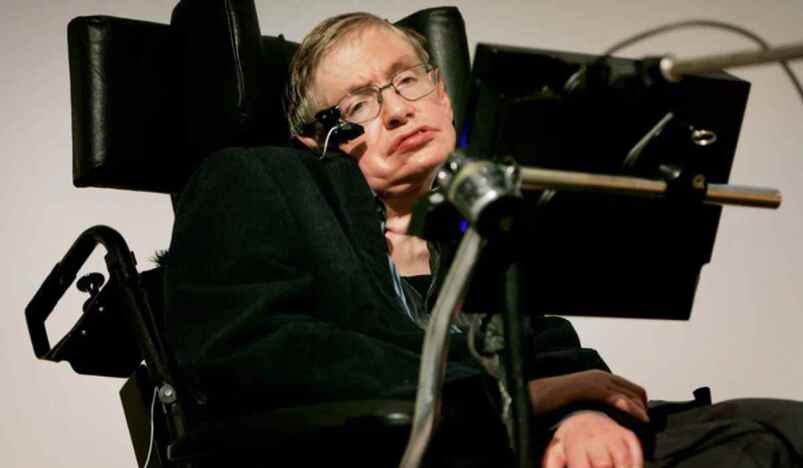
Stephen Hawking remains one of science's most quoted voices on faith and creation. His views on God sparked debate across scientific and religious communities alike. Hawking argued physics alone could explain how the universe began. This stance placed him firmly among the world's most famous atheist scientists.
Physics Over A Divine Creator
Hawking believed the universe could form without any divine intervention at all. He pointed to physical laws, especially gravity, as the true starting force. According to Hawking, these laws allow the universe to create itself from nothing. This idea removed the need for a creator in his scientific framework.
In his book "The Grand Design," Hawking expanded on this argument further. He co wrote the book with physicist Leonard Mlodinow to explain M-theory. Together, they argued this theory could explain the universe without invoking God. Their work suggested science had finally answered a question once left to religion.
Why Hawking Rejected The Need For God
Hawking often said humanity no longer needed God to explain the world's mysteries. He viewed early religious explanations as attempts to fill gaps in scientific knowledge. As physics advanced, Hawking believed those gaps closed one by one. This left little room for a creator in his personal worldview.
He compared the universe's beginning to natural events without any mystical cause. Hawking argued the Big Bang followed the same physical laws seen today. This meant no outside force needed to spark the universe into existence. Physics, in his view, replaced the traditional role once given to God.
A Scientist Who Embraced Uncertainty
Hawking never claimed his theories offered absolute proof against God's existence. Instead, he argued science provided the most logical explanation available today. He welcomed debate from religious scholars and fellow physicists throughout his career. This openness made his views widely discussed rather than universally accepted.
Why His Views Still Matter Today
Hawking's stance on God continues shaping conversations about science and faith. His work pushed both scientists and believers to examine their core assumptions. Whether people agreed with him or not, his influence remains undeniable. His ideas continue sparking debate long after his passing in 2018.

.jpg)

_27-51-2026_11-51.png)
_27-43-2026_12-43.png)

_03-27-2026_08-27.jpg)
.jpg)


.jpg)
.jpg)




.jpg)


.jpg)
.png)
.jpg)













Leave a comment