


 By Guest - August 20, 2026
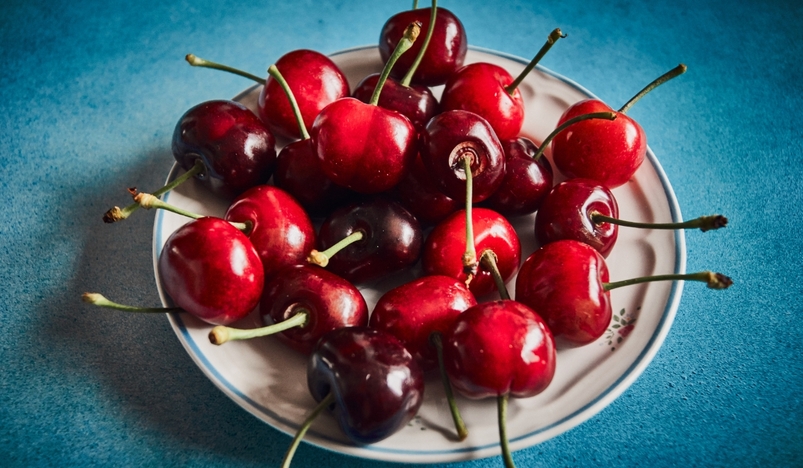
Cherries are a popular summer fruit enjoyed fresh, frozen, dried or as juice. Sweet and tart varieties differ in flavour and nutrient profile, but both provide useful nutrients and plant compounds. Their vibrant red and purple colours come partly from anthocyanins, a group of naturally occurring antioxidants.
1. Rich in Antioxidants
Cherries contain polyphenols, including anthocyanins, which have antioxidant and anti-inflammatory properties. These compounds help protect cells from oxidative stress and are one reason deeply coloured fruits are encouraged as part of a varied diet.
2. A Source of Vitamin C
Fresh cherries provide vitamin C, an essential nutrient involved in immune function, collagen production and protection of cells from oxidative damage.
3. Provide Fibre
Cherries contain dietary fibre, which supports normal digestion and can contribute to feelings of fullness. Fibre-rich foods are also an important part of a heart-healthy eating pattern.
4. May Support Exercise Recovery
Tart cherry products have been studied for their potential role in reducing exercise-related muscle soreness and supporting recovery. Results are promising in some studies, but effects depend on the product, dose and type of exercise.
5. May Have a Role in Sleep
Tart cherries naturally contain small amounts of melatonin and other compounds involved in sleep regulation. Some research on tart cherry juice has reported improvements in certain sleep measures, although it should not be considered a treatment for insomnia.
6. May Support Heart Health
Cherries provide potassium and polyphenols. Potassium plays an important role in normal muscle and nerve function and helps support healthy blood pressure as part of an overall balanced diet.
7. Tart Cherries and Uric Acid
Research has explored whether cherries may help lower uric acid levels or reduce the risk of gout attacks. Some observational findings are encouraging, but cherries should not replace prescribed gout medication or professional medical care.
8. Naturally Versatile
Fresh cherries can be eaten on their own or added to yoghurt, oats and salads. Frozen cherries work well in smoothies, while unsweetened tart cherry products can be incorporated into meals or drinks. Dried cherries can contain concentrated sugar, and some products have added sugar, so labels are worth checking.
Sweet Cherries vs Tart Cherries
Sweet cherries, such as Bing varieties, are commonly eaten fresh. Tart or sour cherries, including Montmorency, are frequently used in juice, concentrates and cooking. Both can fit into a healthy diet, while much of the research on exercise recovery and sleep has focused specifically on tart cherry products.
The Bottom Line
Cherries combine flavour with fibre, vitamin C, potassium and a range of antioxidant plant compounds. They are not a miracle food, but they can be a nutritious addition to a varied, balanced diet. Choosing fresh or frozen cherries and limiting heavily sweetened cherry products can help maximise their nutritional value.
Note: This article is for general information only and is not a substitute for medical or dietary advice. People managing gout, diabetes, kidney disease or other medical conditions should seek personalised guidance when needed.

_20-08-2026_05-08.jpg)
_27-51-2026_11-51.png)
_27-43-2026_12-43.png)



.jpg)
.jpg)




.jpg)


.jpg)
.png)
.jpg)













Leave a comment