


 By Guest - August 11, 2026
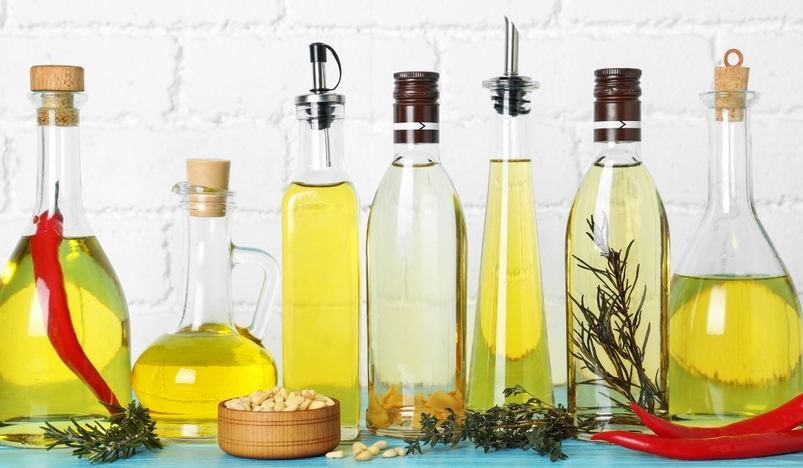
HEALTH — Choosing the right cooking oil is not only about smoke point or flavour. The type of fat matters too. Current heart-health guidance recommends replacing sources of saturated fat with foods and oils rich in unsaturated fats.
Liquid, non-tropical plant oils are generally good everyday choices. The American Heart Association lists oils such as olive, canola, corn, peanut, safflower, soybean and sunflower among healthier options because they contain more monounsaturated and polyunsaturated fats and less saturated fat than many solid or tropical fats.
Extra-Virgin Olive Oil
A versatile choice for dressings, drizzling and many forms of everyday cooking. Olive oil is rich in monounsaturated fat. Avoid heating any oil until it is smoking.
Canola Oil
Low in saturated fat and neutral in flavour, canola oil works well for baking, sautéing, roasting and other general cooking.
Avocado Oil
Rich in unsaturated fat and useful for a range of cooking methods. It can be a healthy option, although it is often more expensive.
Peanut, Sunflower, Safflower, Soybean and Corn Oils
These liquid plant oils are also sources of unsaturated fats and can be suitable for cooking. Seed oils such as canola and soybean are not inherently 'toxic,' despite claims sometimes circulated online.
Oils and Fats to Limit
Coconut oil and palm oil are relatively high in saturated fat. Butter, lard and shortening are also major saturated-fat sources. For cardiovascular health, current guidance favours replacing these with liquid non-tropical plant oils rather than treating them as primary everyday cooking fats.
What About Smoke Point?
Smoke point matters, but it should not be the only factor used to judge an oil. If oil begins to smoke, it is starting to degrade and should not be used at that temperature. Different oils suit different cooking methods, so keeping more than one type in the kitchen can be practical.
Do Not Keep Reheating the Same Oil
The American Heart Association advises against reusing or repeatedly reheating cooking oil. Oil that smells rancid or has been stored too long should also be discarded. Store oils in a cool, dark place and buy smaller containers if you use them slowly.
The Bottom Line
For most households, olive and canola oils are excellent all-purpose choices, while avocado, peanut, sunflower, safflower, soybean and corn oils can provide useful alternatives. The bigger health priority is replacing saturated fats with unsaturated fats and avoiding excessive deep-fried and highly processed foods.
Sources: MSN article supplied by the reader; American Heart Association 2026 Dietary Guidance; AHA Healthy Cooking Oils guidance; Harvard Health.

_20-08-2026_05-08.jpg)
_27-51-2026_11-51.png)
_27-43-2026_12-43.png)



.jpg)
.jpg)




.jpg)


.jpg)
.png)
.jpg)













Leave a comment