


 By Roysten Xavier - June 24, 2026
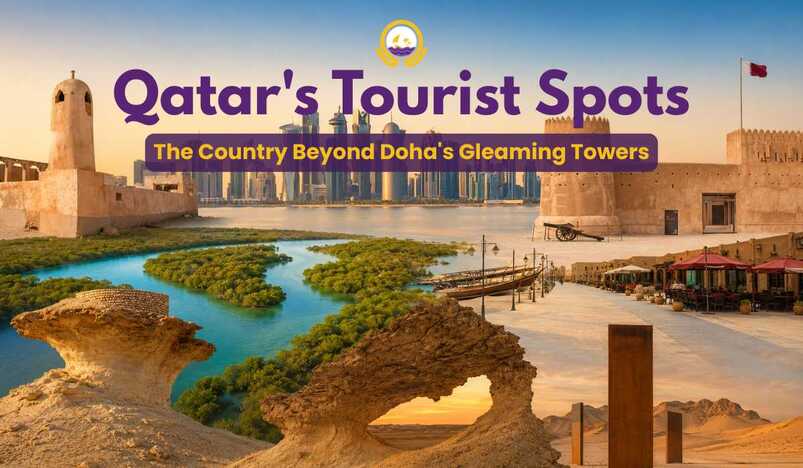
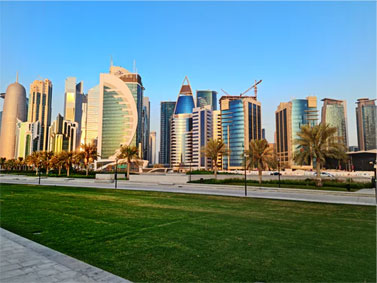
Most visitors to Qatar never leave Doha. They experience The Pearl, Souq Waqif, a luxury hotel brunch, and fly home. But venture out into the peninsula — north to abandoned pearling villages, west to canyon deserts, and into ancient mangrove channels — and you find a Qatar that feels entirely removed from the glass skyscraper world. Here are the spots worth the detour.
Al Jumail — Qatar's Ghost Village
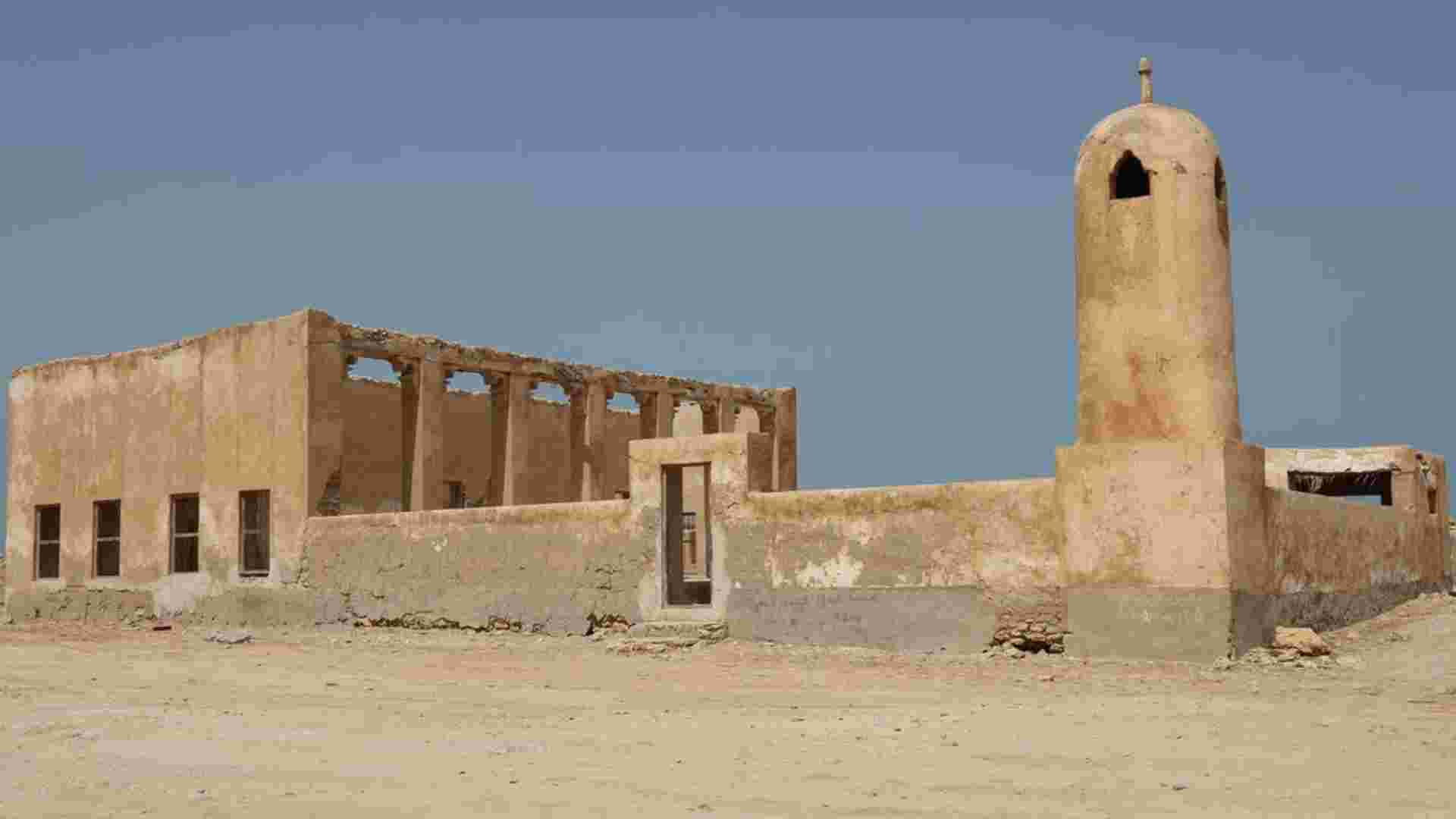
This is one of the most quietly haunting places in the Gulf. Al Jumail dates back to the second half of the 19th century and is one of the oldest settlements in the area, remaining populated well into the last century. The townspeople's livelihoods were tied to the sea — it was a pearling and fishing community, which is why the houses were built just above the high tide line.
With the decline of the pearling industry, Al Jumail was eventually abandoned in the mid-20th century as residents moved away in search of better economic opportunities. The ruins are well-preserved and offer a unique opportunity to explore the remains of homes, mosques, and other buildings — the structures, made from coral stone and mud brick, provide insight into traditional construction methods used in Qatar.
Free to access, the ruins are clearly indicated with signs on the main road leading to Al Zubarah. While it is possible to visit in a standard car, a four-wheel-drive vehicle is advised for the last few kilometres off-road.
Al Zubarah Fort & Archaeological Site — Qatar's Only UNESCO Site
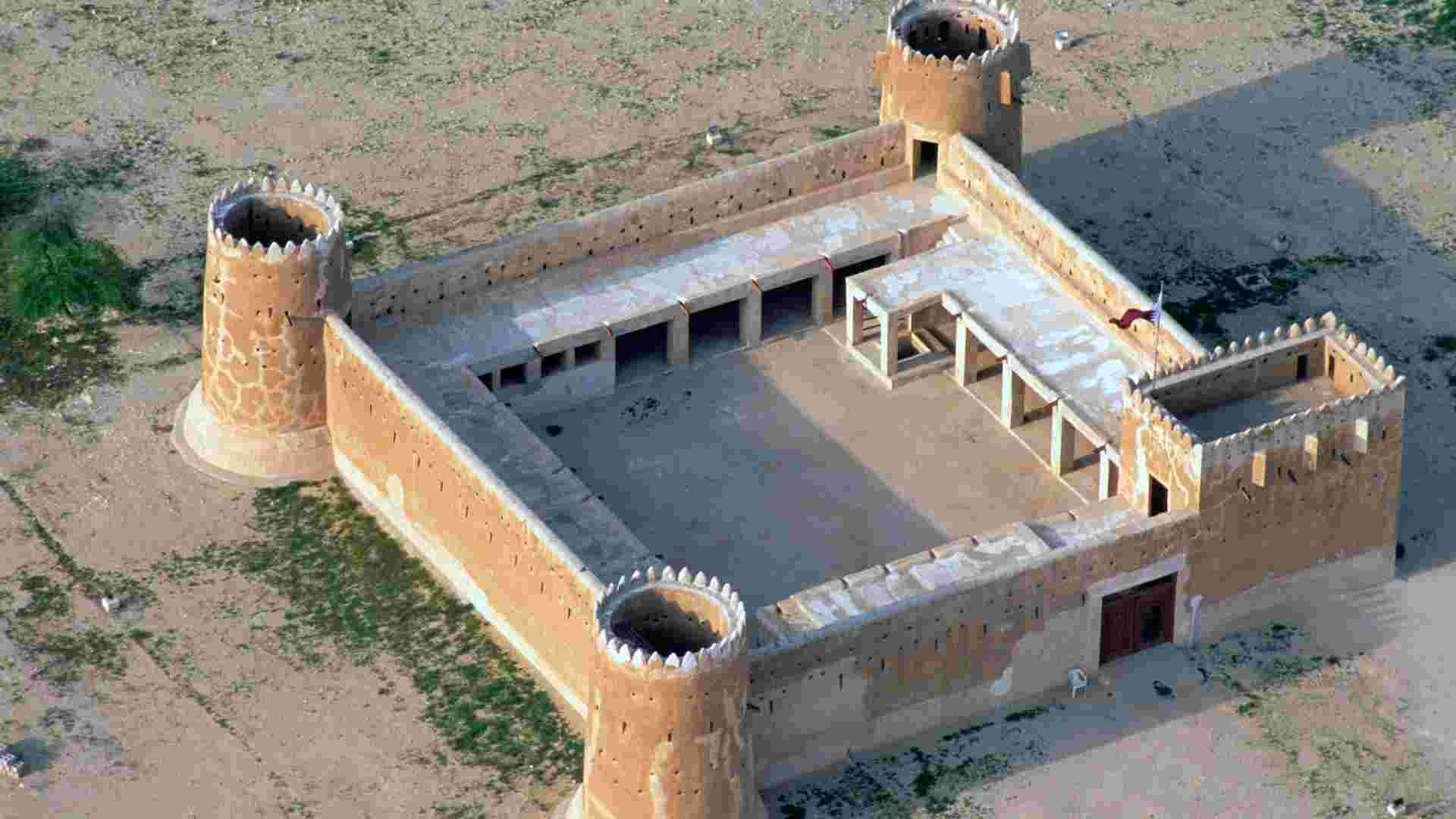
Al Zubara Fort is a UNESCO World Heritage Site located about 100 km from Doha, built in the 18th century and once a thriving pearl fishing and trading hub. A layer of sand blown from the desert has protected the remains of the site's palaces, mosques, streets, courtyard houses, and fishermen's huts, along with its harbour, double defensive walls, a canal, and cemeteries. The site offers an outstanding testimony to an urban trading and pearl-diving tradition which sustained the region's major coastal towns.
Film City, Zekreet — Desert Ghost Town With a Mystery
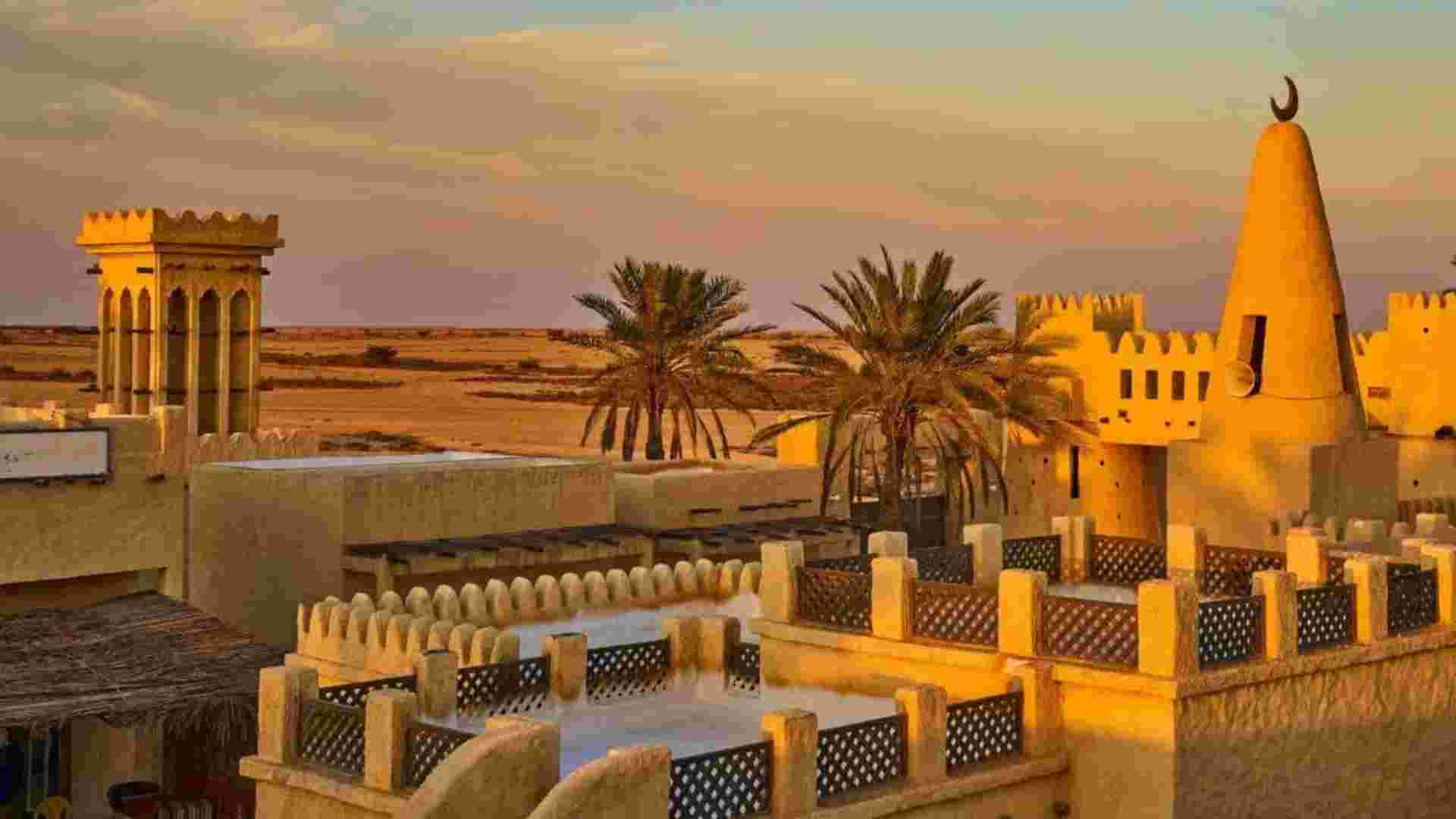
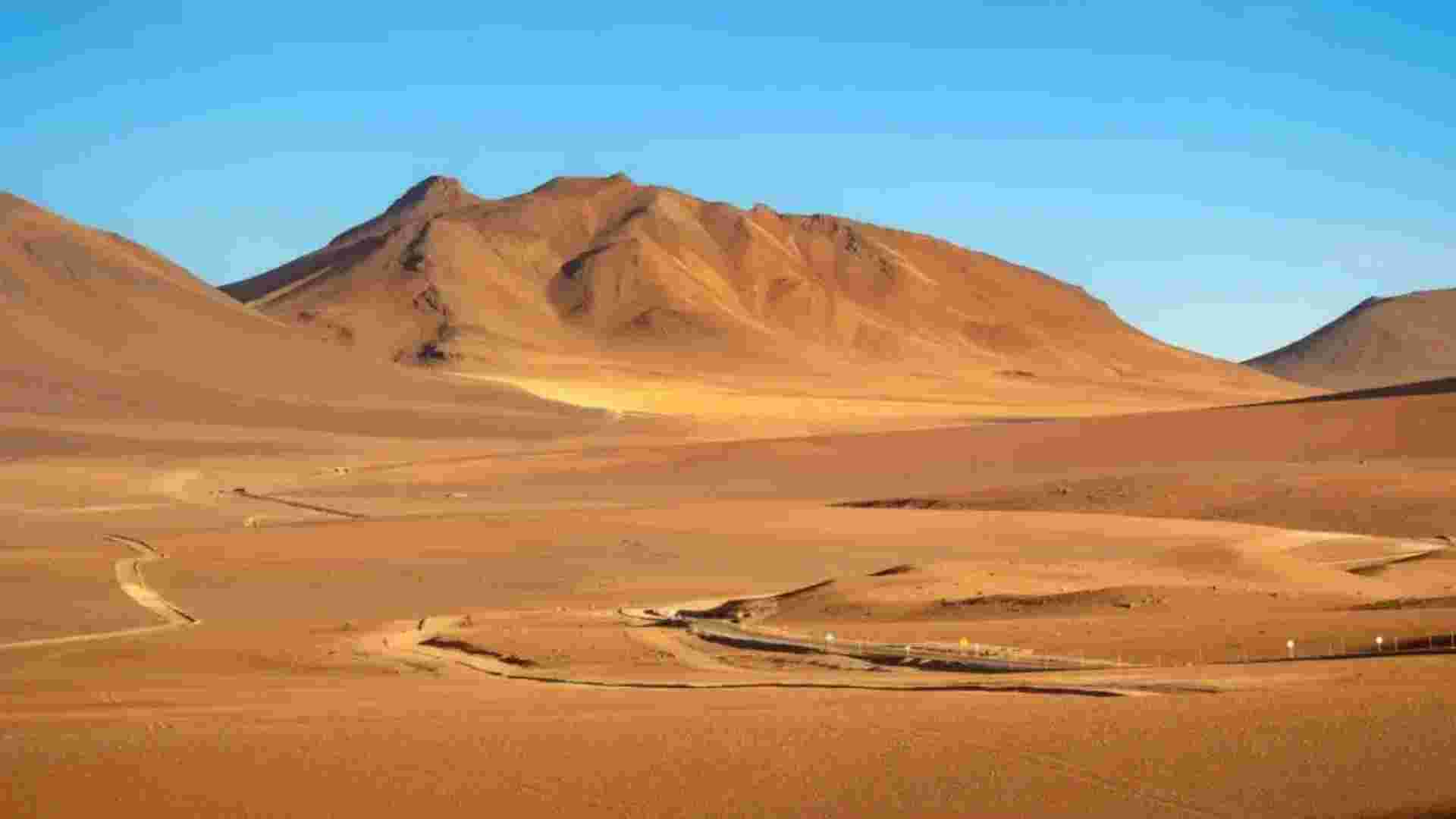
If you drive out from Doha for several hours into the Qatari desert, eventually the sand dunes give way to sand cliffs, and on the horizon rises a truly bizarre sight — "Film City," a palm tree-laden, beige artificial village built for a film or television series. It's a contemporary replica of a picturesque ancient Bedouin-style village, completely deserted, with the creepiness factor turned all the way up. The abandoned set sits in the middle of the secluded desert peninsula of Zekreet. There are almost no people or cars around, and no signs to give any clues as to why the ghost town is there. Film City's original purpose and subsequent desertion remain something of a mystery — it's believed it was built either for a Hollywood production or a Qatari TV series.
Visitors are welcome to walk around the set, climb the minarets, cross the bridges connecting the towers, and admire the vastness of the landscape from the set's highest lookout spot. There is absolutely nothing around — just the never-ending arid desert, the sporadic dust devil, and a few twisted shrubs, evocative of ghost towns in the American west. You'll need a 4WD to get there.
Al Thakira Mangroves — A Kayaker's Oasis
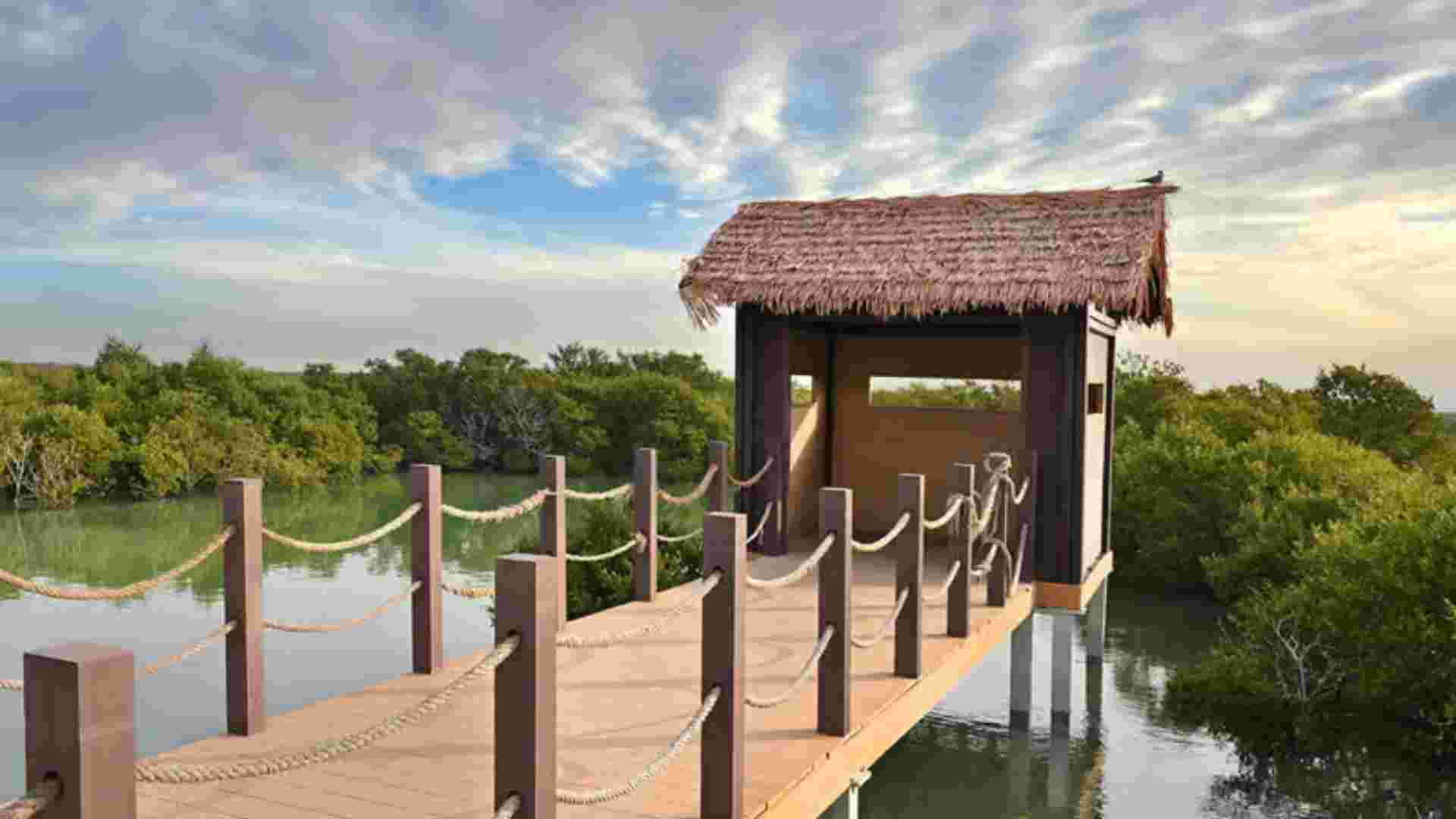
Located north of Al Khor, Al Thakira is home to Qatar's oldest mangrove forests. It's a perfect spot for kayaking and birdwatching, especially during the migration of flamingos and herons. The ecosystem supports a rich variety of crustaceans and fish around the mangrove roots. To protect this fragile habitat, it's best to avoid stepping on the roots — opt for wading along the shore or exploring by kayak instead.
It's one of the most unexpectedly lush and peaceful corners of the entire peninsula.
Zekreet Beach & Wildlife Reserve
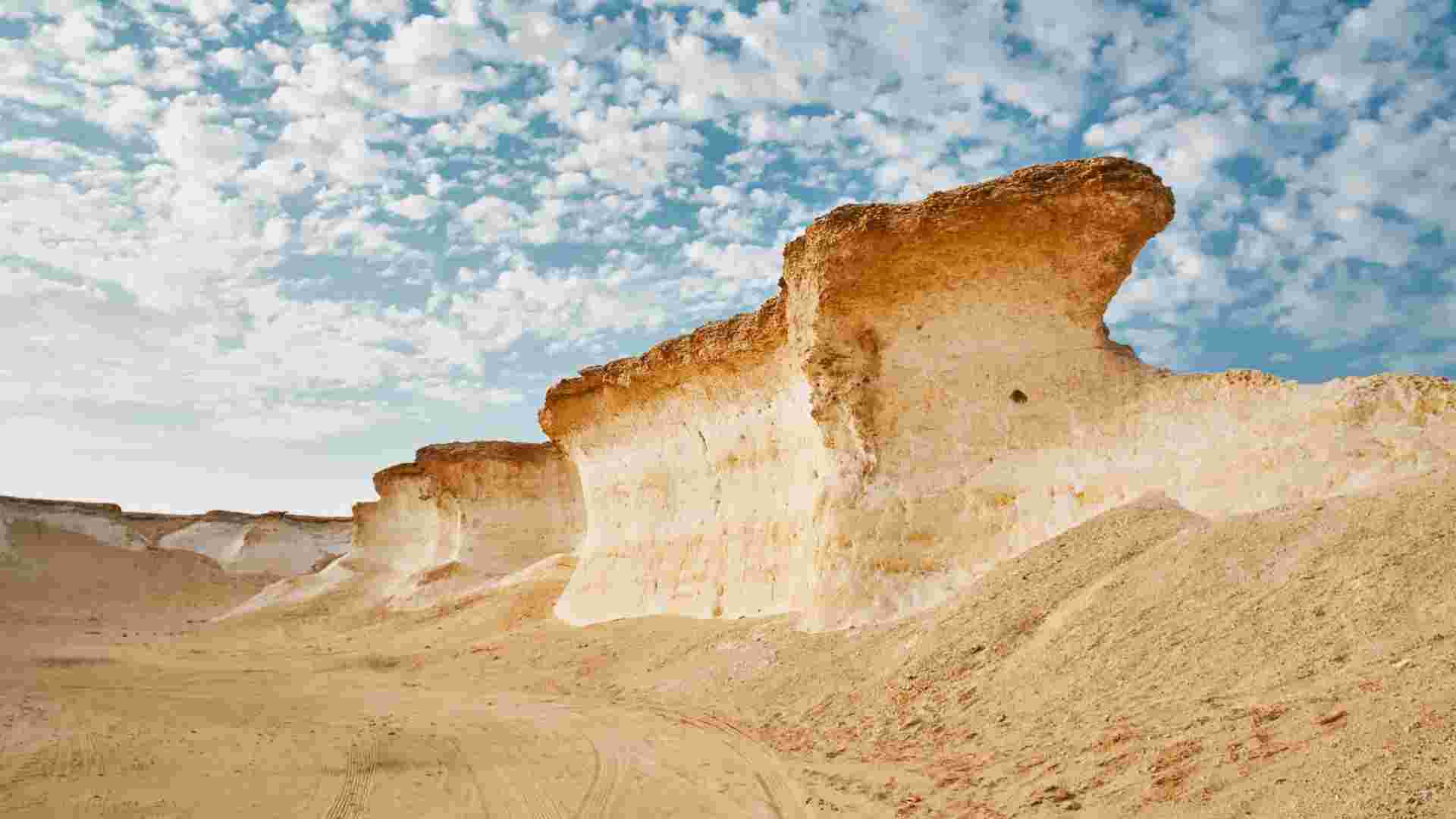
Located on Qatar's west coast, Zekreet is one of the most secluded beaches in the country — quieter than many others, but by no means remote. It offers breathtaking views of a large inlet with shallow waters, making it a kitesurfing hotspot. Oryx, ostriches, gazelles, and flamingos can be spotted here, along with flocks of migratory birds. The beach is located approximately 90 km west of Doha, accessible by four-wheel drive or a regular car.
Richard Serra's East-West/West-East — Desert Land Art
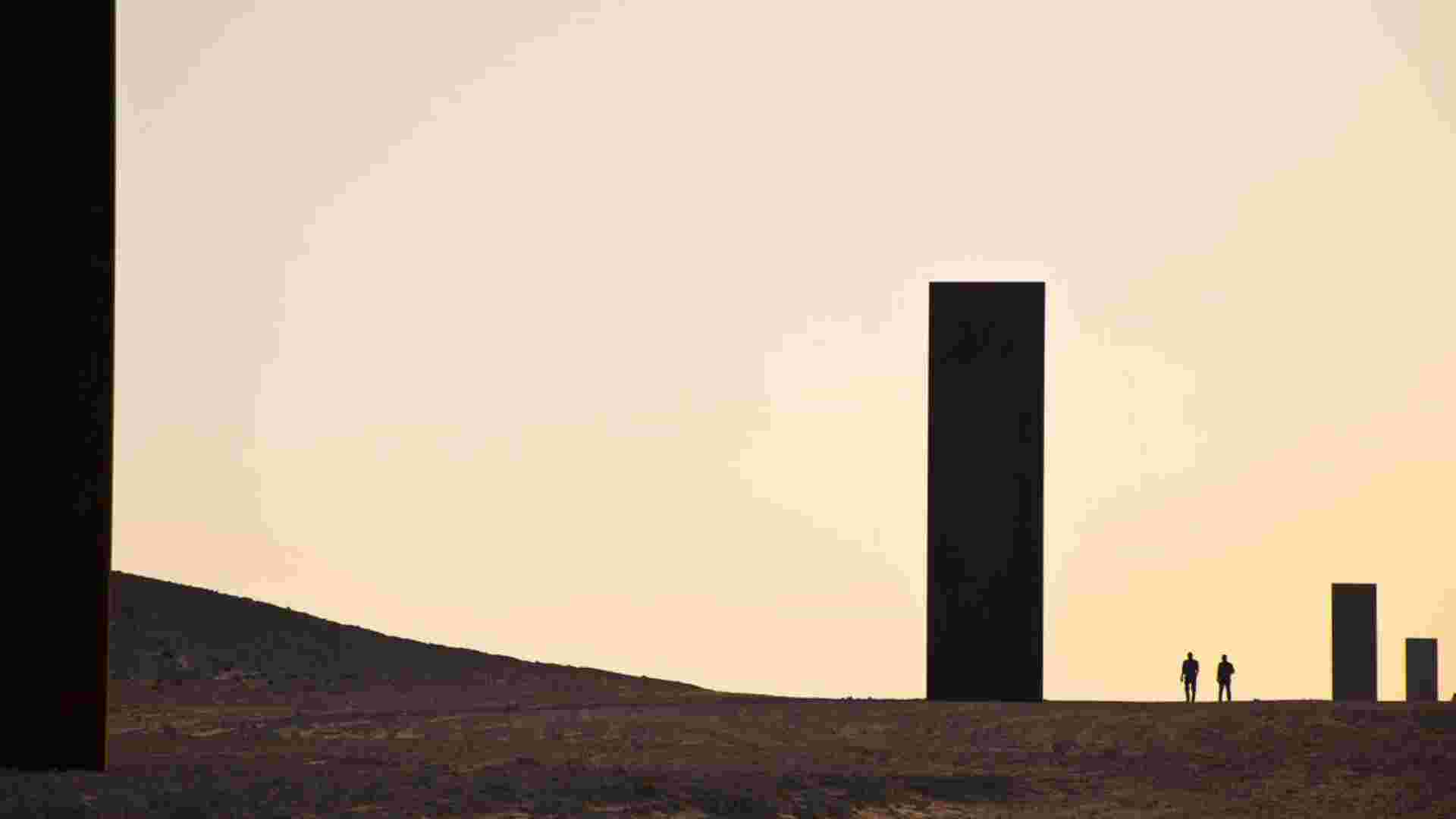
Few people expect to find world-class contemporary sculpture in the middle of the Qatari desert, but here it is. Created in 2014, Richard Serra's East-West/West-East consists of four massive steel plates, each standing several metres tall, placed at varying angles across a wide, open desert expanse. The installation interacts with the natural landscape, and its size and imposing nature provide a striking contrast to the surrounding terrain. The piece is located near Zekreet, making it a natural pairing with Film City on the same day trip.
Souq Al Wakra — The Less-Touristy Souq
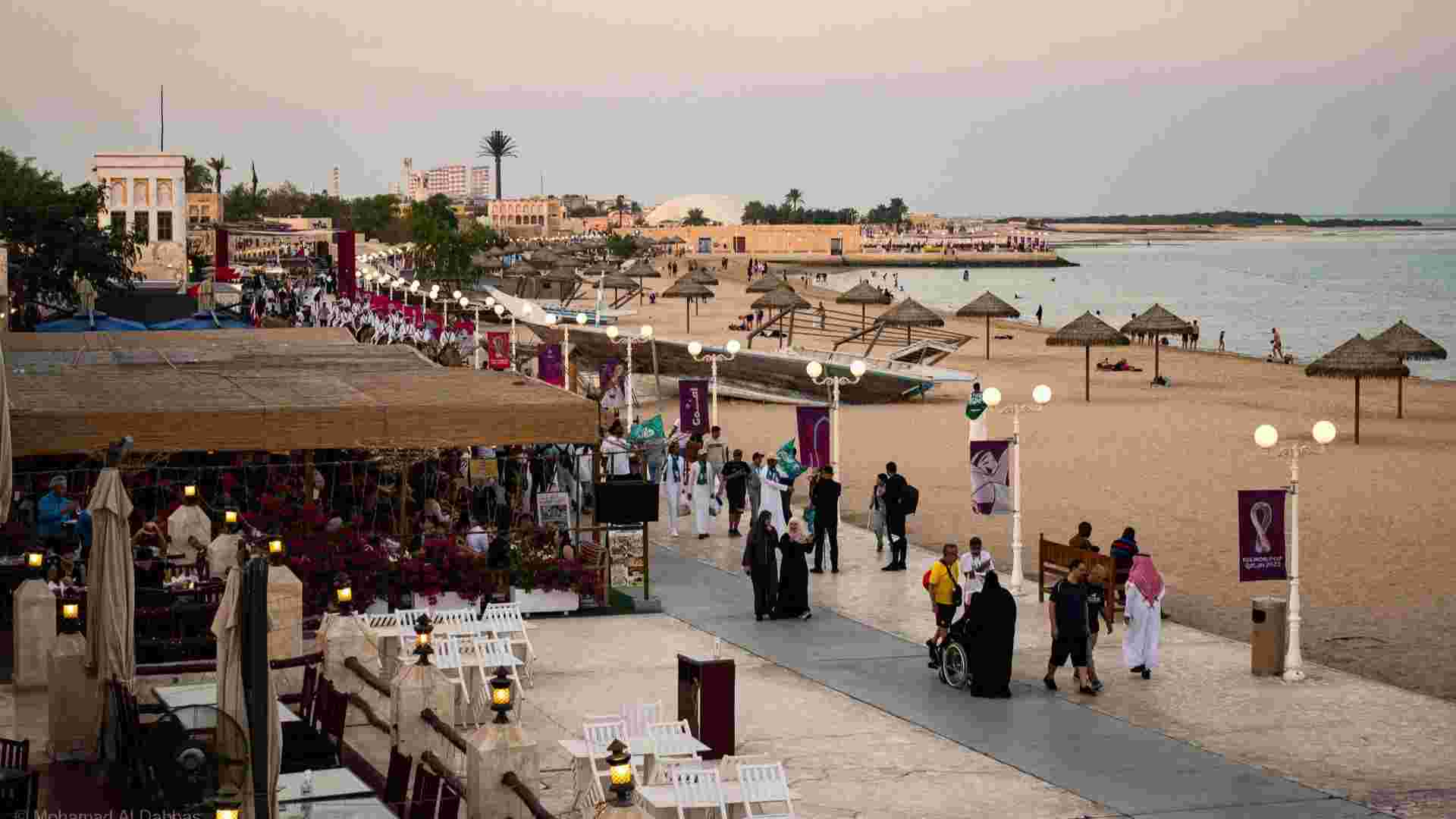
If you've heard of Souq Waqif and are craving a less touristy version, head to Souq Al Wakra. A restored fishing village-turned-heritage market about 20 km south of Doha, it has all the atmosphere of the old souqs — spice stalls, dhow harbour, traditional architecture — without the tour groups.
The Singing Sand Dunes
Located southeast of Doha, the Singing Sand Dunes produce a musical sound when sand grains move — whether by the wind or while you're sliding down. It's an enchanting and rare acoustic event that adds a magical touch to Qatar's desert landscapes. It happens because of a specific combination of sand particle size, temperature, and humidity.
Practical Notes
Getting to most of these spots requires a car — ideally a 4WD for Zekreet and Film City. The best time to visit is October through March when temperatures are manageable. Bring water, sunscreen, and more water. Most of the natural and archaeological sites are free or very low cost, which makes them a striking contrast to Doha's luxury hospitality economy. That contrast is, in many ways, the whole point.

_20-08-2026_05-08.jpg)
_27-51-2026_11-51.png)
_27-43-2026_12-43.png)



.jpg)
.jpg)




.jpg)


.jpg)
.png)
.jpg)








Leave a comment