


 By guest - July 26, 2026
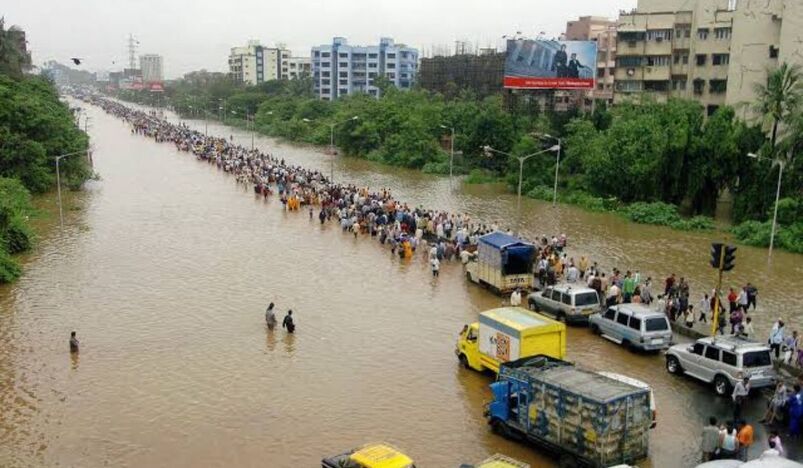
Mumbai’s 26 July 2005 cloudburst remains one of India’s most catastrophic urban disasters, marked by record breaking rainfall, widespread flooding, and severe loss of life. The city received 944 mm of rain in just 24 hours, one of the heaviest single day rainfall events ever recorded globally.
What Happened on 26 July 2005
- Mumbai was hit by an unprecedented 944 mm (37.17 inches) of rainfall between the afternoon of July 26 and the morning of July 27.
- NASA’s Earth Observatory recorded 942 mm within the same period, confirming the event as India’s highest single day rainfall since 1912.
- The extreme downpour paralysed the city, flooding roads, rail lines, homes, and commercial districts.
Impact on the City
- Over 1,000 people lost their lives due to flooding, landslides, electrocution, and infrastructure failures.
- The disaster exposed major vulnerabilities in Mumbai’s drainage systems, urban planning, and emergency response mechanisms.
- Thousands were stranded for hours, with many walking long distances to reach home as transportation collapsed.
Why It Was So Severe
- The rainfall was nearly half of Mumbai’s annual average in a single day.
- A combination of extreme monsoon conditions, geographical constraints, and outdated drainage infrastructure created a “perfect storm” that overwhelmed the city.
Legacy of 26/7
The date 26/7 is now etched into Mumbai’s collective memory as a symbol of resilience and a reminder of the urgent need for climate resilient urban planning. Even two decades later, the event remains a benchmark for monsoon preparedness and disaster management across India.

_20-08-2026_05-08.jpg)
_27-51-2026_11-51.png)
_27-43-2026_12-43.png)



.jpg)
.jpg)




.jpg)


.jpg)
.png)
.jpg)













Leave a comment