


 By neha - July 06, 2026
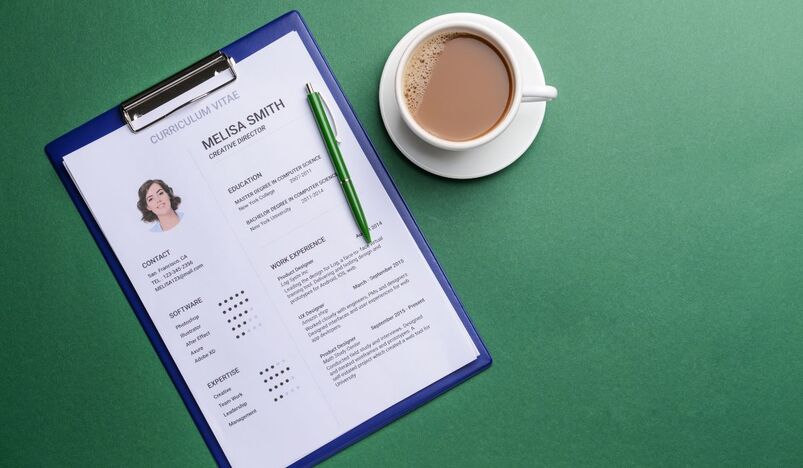
Scroll through LinkedIn today and you will hit a wall of text. Job postings now stretch across multiple subheadings and endless bullet points. Many candidates simply give up and close the tab.
Why Job Descriptions Keep Growing
Robin Olsen noticed this shift while job hunting recently. Listings started merging two separate roles into one posting. Some demanded so many skills that she called them wish lists.
One posting felt so unrealistic that she closed her browser immediately. She believes no single person can juggle 27 different priorities. That instinct pushed her to skip the role entirely.
The Numbers Behind The Bloat
Job titles themselves have grown noticeably longer over the years. Average title length jumped from 2.4 words in 2013 to four words last year, according to BambooHR data.
Hiring platform Greenhouse tracked similar growth in full job descriptions. Character counts rose 7.4 percent between 2022 and 2026. Skills sections alone grew by almost 16 percent during that stretch.
Indeed found a comparable trend across its own listings. Word counts climbed 14.3 percent between 2021 and 2025. The pattern points to one clear culprit across every platform.
How AI Is Fueling Longer Job Posts
Hiring managers now lean heavily on AI tools to draft postings. Those tools tend to generate wordy, repetitive text by default. Nobody edits the output down before publishing it live.
Ladders CEO Marc Cenedella describes it as dumping everything into one document. Managers add nice to haves, maybes, and random ideas without any filter. Nobody with real oversight trims the excess.
Some companies also stack new AI skill requirements onto existing job duties. That layering happens without removing anything from the original list. The result is a longer, more confusing posting.
Why Longer Listings Actually Hurt Companies
More paragraphs do not create better hires, according to hiring experts. Extra bullet points fail to sharpen the actual candidate fit. Companies still end up with mismatched applicants despite the effort.
Trent Cotton at ICIMS says listings have drifted from their real purpose. A job description should work like a scorecard for candidates and recruiters. Instead, companies use it to sell culture and vibe.
That culture pitch belongs in an interview, not a bulleted list. Padding a posting with paragraphs adds length without adding real substance. Recruiters end up sorting through noise instead of signal.
The Impact On Job Seekers
Long, vague job descriptions discourage certain candidates more than others. Harvard Business School research shows women hesitate to apply without an exact skills match. Men tend to apply even without meeting every listed requirement.
This gap can quietly reduce female representation in leadership roles. A listing packed with impossible expectations can scare away strong candidates. Companies risk losing great hires before an interview ever happens.
A Short History Of The Job Posting
Job ads once stayed brief out of necessity. The earliest known posting appeared in a Virginia newspaper back in 1752. It sought an oysterman who was simply sober and well recommended.
Newspapers charged by the line, which kept listings naturally short. Online job boards later removed that length restriction entirely. Application tracking systems and extra screening questions stretched the process even further.
Growth actually started before generative AI became mainstream. BambooHR data shows a 17 percent length increase between 2016 and 2025. The sharpest jump happened between 2021 and 2022.
What Skills Based Hiring Adds To The Mix
Many companies now prioritize practical skills over prestigious résumés. That shift pushed skills sections to expand dramatically inside job posts. Recruiters want AI systems to match résumé skills against listed requirements.
Detailed skill lists help software rank candidates automatically. That technical need explains part of the added length. It does not excuse listings that ramble without clear structure.
A Different Approach That Actually Works
Industrious CEO Jamie Hodari took a completely different route for his own replacement search. His posting skipped corporate jargon for a candid list of people the new CEO will manage. He called it the truest description of the job itself.
Hodari says this honest approach became his most effective hiring move ever. Applicants responded with equally personal and thoughtful submissions. Authenticity cut through the noise better than any bullet list could.
Frequently Asked Questions
Why have job descriptions gotten so long recently?
AI tools generate wordy drafts that hiring managers rarely edit down. Companies also stack new skill demands onto existing job duties.
Do long job listings actually hurt hiring outcomes?
Yes, experts say extra length does not improve candidate matching quality. It often confuses applicants and buries the real job requirements.
Are women affected more by vague job postings?
Research shows women avoid applying without an exact skills match. Men apply more freely even when they lack every requirement.
What makes a job description more effective?
A clear, concise scorecard works better than a long wish list. Focusing on core responsibilities beats padding a post with buzzwords.

_20-08-2026_05-08.jpg)
_27-51-2026_11-51.png)
_27-43-2026_12-43.png)



.jpg)
.jpg)




.jpg)


.jpg)
.png)
.jpg)













Leave a comment