

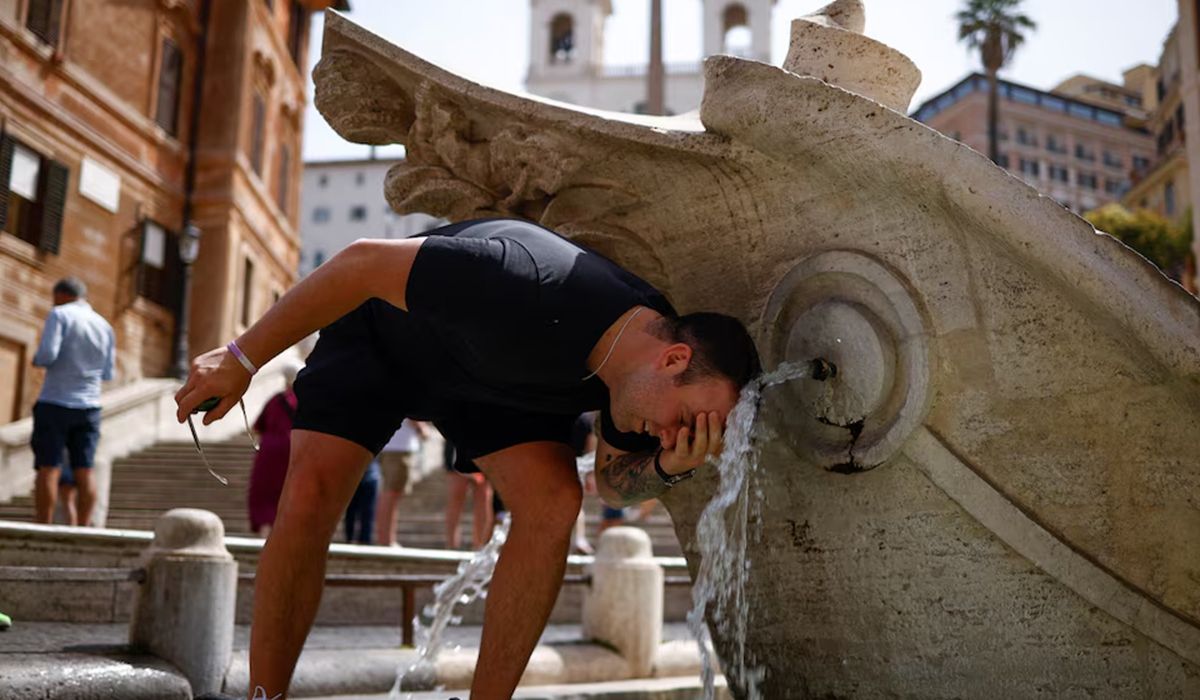
Italy’s health ministry placed 14 cities on its highest-level red heat alert as a punishing heatwave continued to bake much of the country, warning that the extreme temperatures posed a risk not only to the elderly and the ill but to the general population, and urging people to avoid the sun during the hottest hours of the day.
How the alert system works
The red alert — known in Italy as the bollino rosso, or Level 3 — is the top rung of a four-tier, color-coded scale the ministry uses in a daily heat bulletin covering 27 major cities. Green signals no risk; yellow and orange denote rising danger, chiefly for vulnerable groups; red marks emergency conditions with likely health effects across the whole population. The city list is updated each day, and the number under red alert has climbed sharply as the heatwave intensified this week.
Major cities including Rome, Florence, Bologna and Turin have featured among those at the maximum level during the current spell, with Milan and others moving in and out of red as forecasts shift. Because the ministry revises the bulletin daily on weekdays, residents and travelers are advised to check the current list before heading out.
Dangerous temperatures, sleepless nights
The heat has pushed daytime highs toward and past 40 degrees Celsius (104 Fahrenheit) in several cities, with inland areas of Sardinia and Sicily forecast to run even hotter — into the mid-40s and, by some forecasts, approaching the high 40s. Compounding the danger, overnight lows in many places have refused to fall below the mid-20s, producing so-called tropical nights that give the body little chance to recover.
Forecasters have attributed the spell to a hot air mass pushing north from Africa, an anticyclone that has settled over the Mediterranean and left little relief between day and night.
Strain on people and infrastructure
The surge in demand for cooling has tested Italy’s infrastructure, with reports of power blackouts in northern cities including Turin and Milan as air-conditioning use spiked and cables overheated. Hospitals have reported increased pressure on emergency departments during the hottest stretches, as heat-related illness added to their caseloads.
Official guidance
During red-alert periods, the ministry advises the public to stay indoors during the middle of the day, avoid strenuous outdoor activity, drink at least 1.5 liters of water daily, eat light meals, keep medicines stored at the correct temperature, and never leave children or pets in parked cars. Italy also operates a free public health helpline, reachable by dialing 1500, offering advice on coping with the heat.
A wider European pattern
Italy is one front in a broader heatwave affecting swathes of Europe, with Spain, France, Greece and others also contending with extreme temperatures and, in some countries, heat-related deaths. Scientists say recurring heatwaves of this kind are a clear signature of a warming climate and warn they are set to grow more frequent, longer and more intense in the years ahead.
What to watch
Forecasters expect the intense heat to persist in the near term, with the southern regions and the islands likely to bear the brunt. The number of cities under red alert is expected to keep shifting day to day; the immediate concern for authorities is protecting the most vulnerable through the peak of the event.
Details are drawn from Italy’s Ministry of Health heat bulletin and reporting by AFP, The Local Italy, Wanted in Rome and others (July 2026). The ministry’s red-alert city list changes daily; confirm the current bulletin before publication.