


 By Gladies Rajan - July 05, 2026
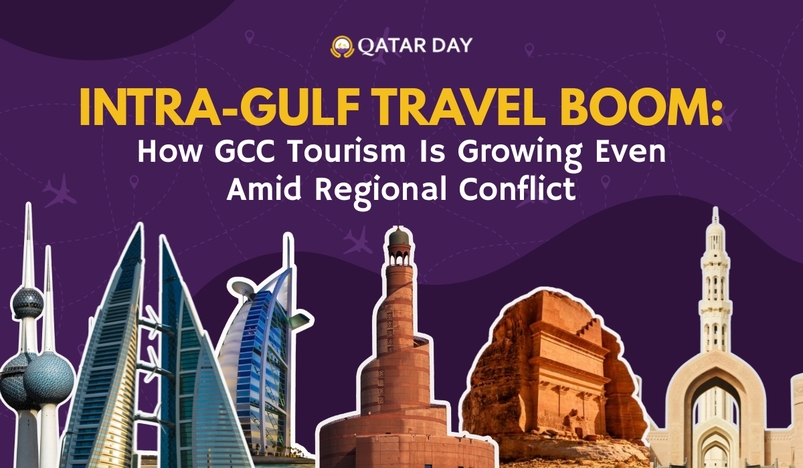
Overall Regional Growth
International tourist arrivals across the GCC (Saudi Arabia, UAE, Qatar, Kuwait, Bahrain, Oman) reached about 72.2 million in 2024, a 51.5% jump versus 2019 and a 6.1% rise over 2023, according to GCC-stat figures. That signals the region has moved well past pandemic era recovery and into a genuine growth phase, driven by expanding hotel capacity, stronger destination appeal, and rising investment in tourism infrastructure.
Scake and Ambition by 2030
A Roland Berger analysis of national strategies shows the GCC aiming to more than double overnight guest numbers by 2030:
- Saudi Arabia and the UAE lead with targets of 39 million and 40 million overnight visitors, respectively.
- Qatar (7.1 million) and Bahrain (14.1 million) also have substantial growth goals.
- Oman is targeting 11.7 million visitors by 2040.
- Hotel supply is expanding accordingly, Saudi Arabia alone is targeting 450,000 keys, the UAE 304,000, with Qatar and Oman adding 59,000 and 65,000 respectively.
Key Structural Trends Driving This
- Intra-GCC Travel Dominance - Gulf nationals traveling to neighbouring Gulf countries (rather than international long-haul visitors) make up a large and resilient share of demand, driven by short-haul convenience, family visits, and shared cultural ties.
- Airports becoming destinations, not just transit points - Saudi Arabia, UAE, Qatar, and Oman are converting layovers into revenue via stopover visa programs, curated packages, and fast-track transit experiences. A unified GCC tourist visa (approved in principle in 2024) is in its final coordination stages and would let travelers visit multiple GCC states on one visa, expected to significantly boost multi-country stopover tourism.
- Outbound growth too - It's not just inbound: GCC outbound tourism spending is projected to grow from about $81.89 billion in 2025 to nearly $139.53 billion by 2032 (7.9% CAGR), fueled by rising disposable incomes and demand for luxury/experiential travel, especially among younger residents.
- Resilience despite regional conflict - Perhaps the most notable pattern: tourism flows between GCC states have stayed strong even during active regional tensions (as in the Qatar case), with analysts framing regional proximity and connectivity as consistently outweighing geopolitical risk for short-haul Gulf travelers.
Country Positioning
• Saudi Arabia: largest economy, driving most ambitious growth targets (NEOM, Red Sea Project)
• UAE: most mature "stopover" model, led by Dubai
• Qatar: leaning on premium/safe positioning, events, and Qatar Airways connectivity
• Oman: slower, more sustainability-focused growth
• Bahrain & Kuwait: steady contributors, smaller scale


_27-51-2026_11-51.png)
_27-43-2026_12-43.png)

_03-27-2026_08-27.jpg)
.jpg)


.jpg)
.jpg)




.jpg)


.jpg)
.png)
.jpg)












Leave a comment