 By Gladies Rajan - February 22, 2026
.jpg)
Iftar and Suhoor
Ramadan is a month of fasting, reflection, and devotion, and at its heart are two meals that shape the rhythm of each day: suhoor and iftar. These meals are not only about nourishment but also about spirituality, community, and tradition.
Suhoor
Shoor is the meal taken before dawn, just before the Fajr prayer. Though not obligatory, it is highly recommended in Islam, as it provides physical strength and spiritual preparation for the day ahead. The Prophet Muhammad (SAWAW) encouraged believers to delay suhoor until close to dawn, emphasizing its blessing. Families often gather quietly in the early hours, sharing simple, wholesome foods that sustain them through the fast. Suhoor symbolizes discipline, patience, and the intention to begin the day with devotion.
Iftar
Iftar marks the end of the day at sunset, beginning with dates and water, following the Sunnah of the Prophet (SAWAW). It is a moment of gratitude, relief, and joy, as believers thank God for the strength to complete the day’s fast. Communities often came together for large iftar gatherings, reinforcing bonds of unity and generosity. The Prophet (SAWAW) encouraged hastening iftar once the sun sets, highlighting the importance of balance between devotion and mercy.
Spiritual and Social meaning
Both suhoor and iftar go beyond physical sustenance. There are times of prayer, reflection, and charity. Suhoor strengthens the believer’s resolve, while iftar fosters gratitude and community spirit. Together, they embody the essence of Ramadan - a balance of discipline, compassion, and shared joy. In many cultures, iftar becomes a festive occasion with traditional dishes, while suhoor remains a quieter, more intimate ritual.
By Gladies Rajan - February 22, 2026.jpg)
Qatar Secures Place Among the World's Top 10 Wealthiest Nations
.jpg)
Hamad International Airport Witnesses Record Increase in Passenger Traffic
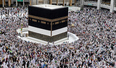
Saudi Arabia: Any visa holder can now perform Umrah

What are Qatar's Labour Laws on Annual Leave?



.png)
.png)
.png)
.png)
.jpg)
.jpg)
.jpg)
.jpg)
.jpg)



.jpg)


.jpg)
.png)
.jpg)










Leave a comment