


 By Hannah Grace - July 19, 2026
_19-09-2026_05-09.jpg)
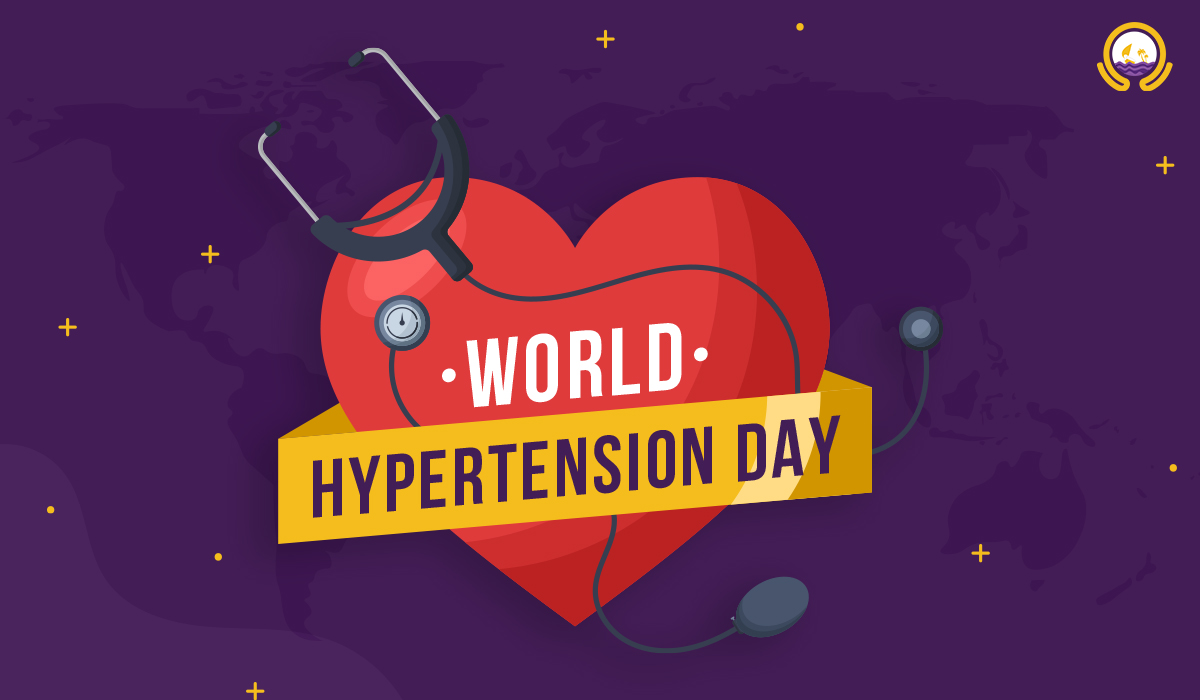
High blood pressure, or hypertension, is one of the most common health conditions worldwide and a leading risk factor for heart attack, stroke and kidney disease. It often causes no symptoms, which is why it is sometimes called the “silent killer.” The good news is that diet is one of the most powerful levers most people can pull. Alongside medication where it is prescribed, cutting back on a handful of everyday foods can make a meaningful difference. Here are the main ones worth reducing — and why.
1. Salt and high-sodium foods
Sodium is the single biggest dietary driver of high blood pressure. It causes the body to retain water, which raises the volume of blood pushing against artery walls. Most people consume far more than they need — and the majority of it does not come from the salt shaker but is hidden inside processed foods. Health authorities generally recommend keeping sodium well below one teaspoon of salt’s worth a day, and many advise less for those with hypertension. Cutting back on added salt in cooking and at the table is a sensible first step, but the bigger wins usually come from the categories below.
2. Processed and cured meats
Bacon, sausages, ham, salami, hot dogs and deli cold cuts are among the saltiest foods in a typical diet, since salt is used both to cure and to preserve them. They often carry a double burden of high sodium and saturated fat. Reducing them — or swapping in fresh, unprocessed meats, poultry or fish — is one of the most effective single changes for blood pressure.
3. Canned soups, sauces and vegetables
Canned and packaged soups are notorious for their sodium content, with a single serving sometimes approaching a large share of a day’s recommended intake. Canned vegetables, pasta sauces and stocks can be similarly high. Where possible, choose fresh or frozen vegetables, look for “no added salt” or “low sodium” versions, and rinse canned beans and vegetables to wash away some of the salt.
4. Ready meals, fast food and takeaways
Frozen dinners, instant noodles, pizza and most fast food are engineered to be flavourful and shelf-stable, which usually means a great deal of sodium, along with saturated fat and refined carbohydrates. Frequent reliance on these is strongly associated with higher blood pressure. Cooking at home, even simply, gives you control over how much salt goes in.
5. Salty snacks
Crisps (potato chips), salted nuts, pretzels, crackers and similar snacks add up quickly, and their moreish nature makes it easy to eat a lot in one sitting. Unsalted nuts, fresh fruit, or vegetables with a low-salt dip make better everyday choices.
6. Pickles, olives and salty condiments
Pickled foods, olives and many condiments — soy sauce, fish sauce, ketchup, bottled salad dressings, stock cubes and seasoning blends — are surprisingly heavy in sodium. Even “healthy” sauces can undo careful cooking. Reach for herbs, spices, garlic, citrus and vinegar to add flavour instead.
7. Added sugar and sugary drinks
Beyond salt, diets high in added sugar — particularly sugar-sweetened drinks — are linked to higher blood pressure and weight gain, which itself raises pressure. Sodas, sweetened juices, energy drinks and sugary snacks are worth limiting, both for blood pressure and overall heart health.
8. Excess alcohol
Drinking heavily, or even regularly in moderate amounts, can raise blood pressure and can interfere with the effectiveness of blood-pressure medication. Cutting back — or, for some, cutting it out — often produces a noticeable improvement.
9. Fatty and fried foods
Foods high in saturated and trans fats — deep-fried items, fatty cuts of red meat, and heavy use of butter and full-fat dairy — do not raise blood pressure as directly as sodium, but they contribute to the artery damage and weight gain that make hypertension and heart disease worse over time. Moderating them supports the wider goal of a healthier cardiovascular system.
A note on caffeine
Caffeine can cause a short-term spike in blood pressure, and people vary in how sensitive they are to it. For most, moderate coffee or tea is fine, but those who notice a strong response — or who drink large amounts — may want to cut back and see whether it helps.
Focus on what to add, too
Reducing the foods above works best alongside eating more of the right things. Dietary patterns such as the DASH approach emphasise vegetables, fruit, whole grains, beans, nuts, and low-fat dairy, which are naturally low in sodium and rich in potassium, magnesium and fibre — nutrients that help the body manage blood pressure. In other words, crowding out the salty, processed foods with fresh, whole ones does double duty.

_20-08-2026_05-08.jpg)
_27-51-2026_11-51.png)
_27-43-2026_12-43.png)


.jpg)
.jpg)



.jpg)


.jpg)
.png)
.jpg)











Leave a comment