


 By neha - June 25, 2026
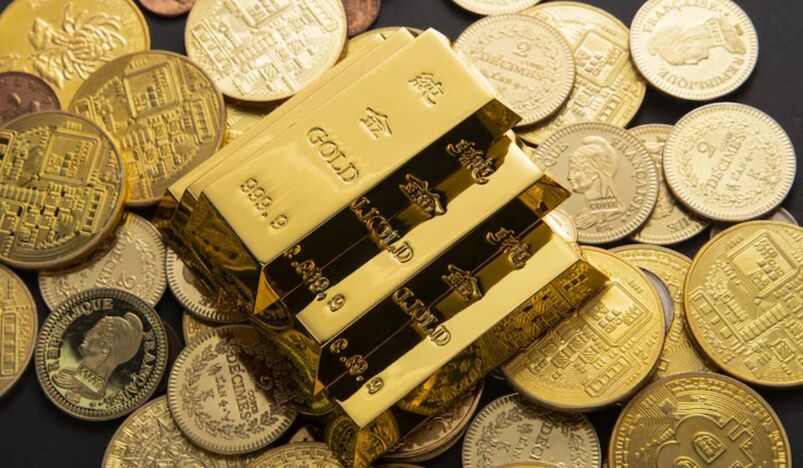
Gold is losing ground fast. On Thursday, June 25, 2026, spot gold dropped 0.4 percent to $3,985.89 per ounce. That pushed the precious metal below the $4,000 mark for the first time since November 2025. Investors are watching closely. The slide shows no clear sign of stopping just yet.
Where Prices Stand Right Now
Spot gold fell to $3,985.89 per ounce on Thursday. US gold futures for August delivery dropped 0.2 percent to $4,001.60. Those numbers confirm what markets have been signaling for days. Gold is in a meaningful pullback from the heights it reached earlier this year.
The rest of the precious metals complex also came under pressure. Silver fell 0.2 percent to $57.33 per ounce. Platinum lost 0.2 percent to $1,575.85. Palladium bucked the trend slightly and rose 0.3 percent to $1,170.25, the only bright spot in an otherwise weak session for the sector.
What Is Driving the Decline
Three forces are working against gold right now and all three are pulling in the same direction at the same time.
The US dollar has strengthened significantly. It climbed to its highest level in more than a year against a basket of major currencies. A stronger dollar makes gold more expensive for buyers holding other currencies. That reduces demand and puts downward pressure on price. It is one of the oldest and most reliable relationships in commodity markets.
The Federal Reserve is also casting a long shadow. At its most recent meeting, the Fed kept interest rates unchanged but sent a clear hawkish signal. Fed Chair Kevin Warsh signaled a strong commitment to bringing inflation under control. Nine out of nineteen FOMC members now project at least one more interest rate increase in 2026.
Markets currently assign roughly a 68 percent probability to a Fed rate hike in September. Just one week ago that figure sat at 29 percent. That shift has been dramatic and it hit gold hard.
When interest rates rise or are expected to rise, holding gold becomes less attractive. It pays no yield. Bonds and money market funds suddenly offer better returns by comparison. So investors rotate out of gold and into assets that generate income. That is exactly what is happening right now.
The third factor is the easing of geopolitical tensions. Gold had benefited from its safe-haven status when the Middle East conflict intensified earlier this year. Progress in US-Iran peace negotiations has reduced some of that fear premium. Oil prices have pulled back toward pre-conflict levels. As the crisis dial turns down, gold loses one of its key supports.
How Far Has Gold Fallen
The scale of the decline this year tells a bigger story. Gold hit an all-time record high of around $5,589 per ounce in late January 2026. At Thursday's level of $3,985, that represents a drop of roughly 29 percent from the peak. The metal is also now down about 5 percent for the year to date.
For anyone who bought gold near the February highs, the losses are even more pronounced. The metal has shed nearly 22 percent from those levels. That is not a minor correction. It is a substantial repricing driven by fundamental shifts in monetary policy expectations.
What Analysts and Banks Are Saying
The outlook divides analysts. Some see the current level as a buying opportunity inside a broader bull market. Others warn that more pain could follow if the Fed actually delivers a rate hike in September.
Goldman Sachs recently trimmed its year-end 2026 price target for gold from $5,400 to $4,900 per ounce. The bank says the Fed's reluctance to cut rates in 2026 will continue to weigh on the metal in the near term. JPMorgan has also revised its forecast and now expects gold to reach around $5,000 in the final quarter of 2026. That would still represent a significant recovery from current levels, but the path there has become much less certain.
What gives longer-term bulls some comfort is central bank demand. Central banks around the world added a net 244 tonnes of gold in the first quarter of 2026, above their five-year average. Countries like Guatemala, Indonesia, Malaysia, and South Korea have all entered or expanded their gold reserve positions in recent months. That structural buying from the official sector has not slowed, even as prices fall.
Gold's Safe Haven Story Has Complicated
Something unusual has happened during this decline. Despite significant geopolitical turbulence from the Middle East conflict, gold struggled to hold onto its traditional safe haven premium for long. Rising oil prices fueled inflation. That inflation prompted central banks to tighten monetary policy. And tighter monetary policy raised the opportunity cost of holding gold. The result is that the very conflict that initially pushed gold toward record highs ended up contributing to forces that are now pulling it lower.
That is a difficult dynamic to trade. The war created inflation. Inflation created hawkish central banks. Hawkish central banks created dollar strength. Dollar strength crushed gold.
What Happens Next
The key variable in the weeks ahead is the Federal Reserve. If US economic data continues to run hot and September rate hike bets keep rising, gold faces more pressure.
A rate hike confirmation could push prices further toward the $3,800 level that some bear case scenarios project.
On the other side, any sign that inflation is cooling, that the Fed blinks, or that geopolitical tensions flare again could give gold a sharp recovery. The market is finely balanced and highly sensitive to any new data.
What is clear right now is that gold has given up its early 2026 gains and then some. The $4,000 level was considered a floor by many investors. Thursday's breach below that mark signals that the floor has given way. The next test will tell investors whether a deeper correction lies ahead or whether buyers step in to defend these levels.
_15-20-2026_04-20.jpg)


_20-08-2026_05-08.jpg)
_27-51-2026_11-51.png)
_27-43-2026_12-43.png)


.jpg)
.jpg)




.jpg)


.jpg)
.png)
.jpg)













Leave a comment