


 By neha - June 22, 2026
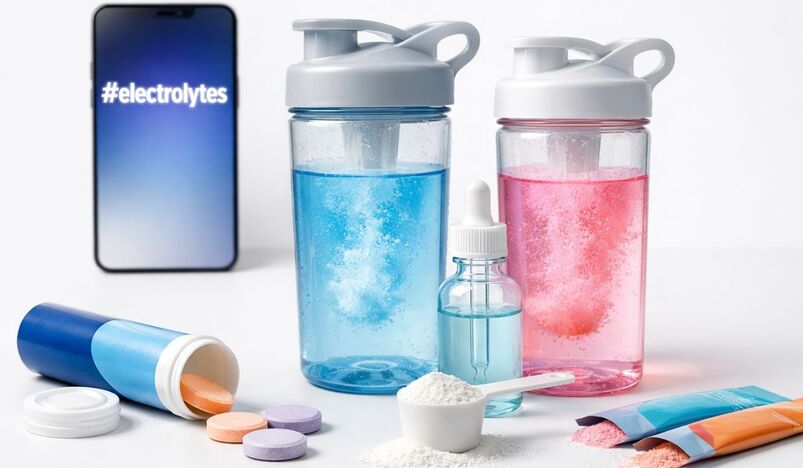
Electrolyte powders, drops, and tablets have moved far beyond sports drinks and sick-day staples. The market has nearly doubled since 2020, reaching roughly $40 billion in 2025. On TikTok alone, more than 460,000 posts carry the hashtag #electrolytes, with influencers swirling colorful powders into water bottles and promising better hydration, energy, and focus.
Mariana Anchante, 32, first noticed the trend online but didn't try it right away. She later started using a popular electrolyte powder after dealing with afternoon headaches, saying an AI chatbot had suggested electrolytes as a possible fix. She has added the powder to her water daily ever since.
But do most people actually need these products? Health experts say the answer depends heavily on who you are and what you're doing.
What Electrolytes Actually Do
Electrolytes are essential minerals, including sodium, potassium, calcium, and magnesium, that power nerve and muscle function. Matthew Black, a registered dietitian at Ohio State University's Wexner Medical Center, explains that these minerals help control muscle contraction and play a key role in heart rate and rhythm.
Potassium, calcium, and magnesium also support blood vessel function and help regulate blood pressure and blood sugar. Sodium and chloride manage fluid balance, helping the body retain enough water when fluids are lost through sweat, urine, or illness.
Do You Need Extra Electrolytes?
Most people get enough electrolytes through a normal diet, according to Black. Leafy greens, bananas, potatoes, dairy, fish, nuts, and beans all provide these minerals naturally, and healthy kidneys are generally good at keeping levels balanced on their own.
Most research on electrolyte supplements has focused on endurance athletes and intense exercise that causes heavy sweat loss. In those cases, electrolyte drinks have shown clear benefits over plain water. Evidence for everyday benefits, like sharper focus or more energy in typically active adults, remains thin.
Experts generally point to a few specific situations where electrolyte products make sense:
- Prolonged, vigorous exercise
- Physical activity lasting more than an hour in hot weather
- Significant fluid loss from vomiting or diarrhea
Black notes that exercising for over an hour while sweating heavily is a reasonable trigger for an electrolyte drink. A casual walk or light recreational activity typically doesn't call for one.
Certain health conditions can also justify electrolyte support, including disorders that affect fluid balance or nutrient absorption. Black recommends checking with a doctor first in these cases. Renee Korczak, a board-certified sports dietitian, adds that alcohol consumption can also drain the body's electrolyte reserves, making a post-drink electrolyte beverage a practical way to ease a hangover.
The Risk of Overdoing It
Many people enjoy electrolyte products simply because they make water taste better and encourage more fluid intake. That's not necessarily harmful, since kidneys filter out excess minerals through urine. But frequent use can carry real risks depending on what's in the product.
Some popular electrolyte packets contain 500 to 1,000 milligrams of sodium each. The American Heart Association recommends adults cap daily sodium at 1,500 milligrams, and many people already exceed that through processed foods alone. Stacking electrolyte packets on top of a typical diet can push blood pressure higher.
Many electrolyte products also contain added sugar and acidic ingredients that may wear down tooth enamel over time. Pregnant individuals, people with high blood pressure or kidney disease, and those on medications like diuretics should talk to a doctor before adding electrolytes to their routine.
Too many electrolytes can cause symptoms similar to a deficiency, including muscle weakness, fatigue, headaches, confusion, and in severe cases, heart rhythm problems. Korczak suggests paying attention to product labels and personal health conditions before making electrolytes a daily habit.
The Bottom Line
For most healthy adults, a balanced diet and adequate water intake cover hydration needs without added supplements. Electrolyte drinks earn their place during intense exercise, hot-weather workouts, or fluid loss from illness, not as an everyday beverage swap. When in doubt, experts suggest staying cautious rather than reaching for another packet.

_20-08-2026_05-08.jpg)
_27-51-2026_11-51.png)
_27-43-2026_12-43.png)



.jpg)
.jpg)




.jpg)


.jpg)
.png)
.jpg)













Leave a comment