


 By neha - July 03, 2026
The world's latest El Nino event is no longer just a forecast. The UN's weather agency confirms it is strengthening rapidly right now. But El Nino does not affect every region the same way. Some places face drought, while others brace for heavy rainfall. This article breaks down what different regions can expect and how to prepare.
Why El Nino Hits Regions Differently
El Nino forms when Pacific Ocean waters warm beyond normal levels. This shift changes wind patterns and moisture flow across the globe. Some regions lose rainfall almost entirely during strong events. Others receive far more rain than usual within the same months. This uneven pattern is why forecasts vary so much by location. Understanding your region's typical response helps with better preparation.
Regions That Usually Face Drought
Southeast Asia often experiences reduced rainfall during El Nino events. Indonesia, Thailand, and the Philippines frequently see drier planting seasons. Australia also faces higher drought risk during strong El Nino years. Farmers in these regions often deal with lower crop yields as a result. Southern Africa has historically faced similar dry-season pressures too. Water shortages in these areas often become more common during peak months.
Regions That Usually Face Heavy Rainfall
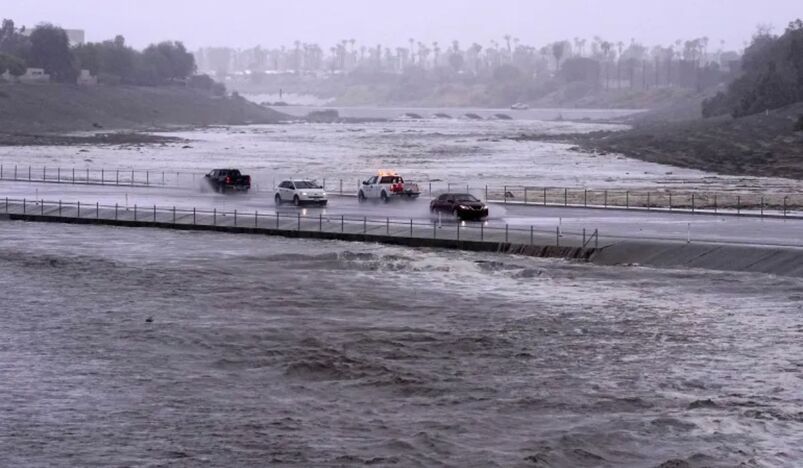
South America often experiences the opposite effect from El Nino. Peru and Ecuador frequently see above-average rainfall and flooding risks. The southern United States can also face wetter winter conditions. This shift sometimes brings relief to drought-prone areas in that region. However, excess rainfall can trigger landslides and infrastructure damage instead. Coastal communities often face the greatest flooding risk during these months.
Marine And Coastal Impacts Deserve Attention
El Nino does not only affect land-based weather patterns. It also raises the risk of marine heatwaves in ocean waters. Warmer seas can stress coral reefs and disrupt fish populations. Coastal fishing communities may see reduced catches during peak months. Rising sea surface temperatures can also intensify certain storm systems. These effects often receive less public attention than droughts or floods.
How Farmers Can Prepare Early
Farmers face some of the earliest and most direct El Nino impacts. Diversifying crops can reduce risk if rainfall patterns shift suddenly. Building small water storage systems helps during unexpected dry spells. Farmers in flood-prone areas should improve drainage before rainy seasons begin. Local agricultural offices often share region-specific guidance during major El Nino years. Following these updates closely can reduce losses significantly.
How Communities And Individuals Can Prepare
Communities in drought-prone regions should prioritize water conservation early. Simple steps include fixing leaks and storing water during safer months. Coastal and flood-prone communities should review drainage and evacuation plans. Individuals can stay informed through national weather and disaster agencies. Following early warnings closely can reduce risk to property and safety. Small preparation steps now can prevent larger losses later this year.
Frequently Asked Questions
Q: Which regions usually see drought during El Nino?
Southeast Asia, Australia, and parts of Southern Africa often face reduced rainfall.
Q: Which regions usually see more rainfall during El Nino?
South America and parts of the southern United States often see heavier rain.
Q: Does El Nino affect oceans as well as land?
Yes, it raises the risk of marine heatwaves that affect coral reefs and fish stocks.
Q: How can farmers prepare for El Nino impacts?
Farmers can diversify crops, store water, and follow local agricultural guidance closely.
Q: Should coastal communities prepare differently than inland areas?
Yes, coastal areas should focus on drainage and flood plans instead of drought measures.

_20-08-2026_05-08.jpg)
_27-51-2026_11-51.png)
_27-43-2026_12-43.png)



.jpg)
.jpg)




.jpg)


.jpg)
.png)
.jpg)











Leave a comment