


 By neha - June 29, 2026
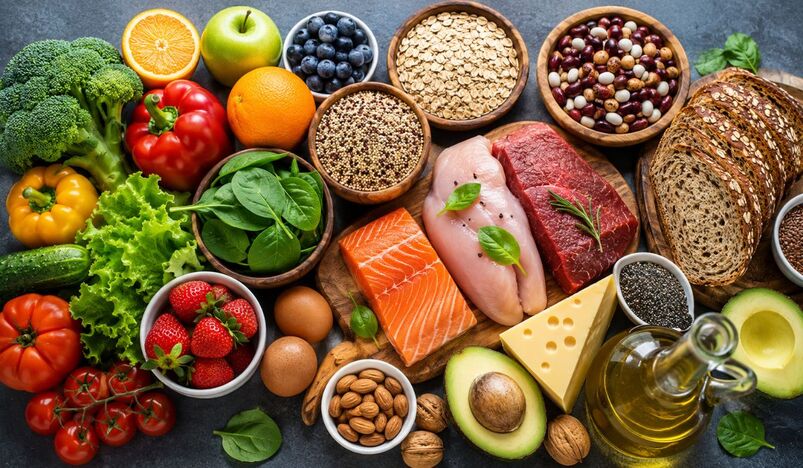
Most people think eating healthily means giving up everything they love. That is not how it works. Healthy eating is about balance, variety, and making smarter choices every single day.
The key to a healthy diet is simple. You need to eat the right amount of calories for how active you are. Balance the energy you take in with the energy you burn. If you eat more than your body needs, you gain weight. The body stores unused energy as fat. If you eat too little, you lose weight and lose essential nutrients along the way.
Men need around 2,500 calories per day. Women need around 2,000 calories per day. Most adults currently eat more than their body requires.
These eight tips are practical, specific, and backed by nutritional science. Apply them consistently and your health will improve measurably.
1. Build Every Meal Around Starchy Carbohydrates
Carbohydrates carry an unfair reputation. Most of the fear around them is simply not supported by evidence.
Starchy carbohydrates should make up just over a third of everything you eat. This food group includes potatoes, bread, rice, pasta, and cereals. Choose higher fibre or wholegrain varieties wherever possible. Wholewheat pasta, brown rice, and potatoes eaten with their skins are all excellent choices.
These wholegrain options contain more fibre than their refined counterparts. Fibre helps you feel full for longer and supports healthy digestion. This means you are less likely to snack unnecessarily between meals.
The real calorie problem is not the carbohydrate itself. It is what people add to it. Oil on chips, butter on bread, and creamy sauces on pasta dramatically increase the calorie content of a meal. Keep your additions minimal and your starchy carbohydrates become a genuinely healthy foundation for every meal.
Try to include at least one starchy food with every main meal. Swap white rice for brown. Choose wholegrain bread over white. These small swaps add up meaningfully over weeks and months.
2. Eat at Least Five Portions of Fruit and Veg Every Day
Fruit and vegetables provide vitamins, minerals, fibre, and antioxidants your body needs every single day. Five portions per day is the widely accepted minimum standard for good health.
The good news is that fresh, frozen, canned, and dried options all count equally. You do not need expensive produce or complicated recipes to hit your daily target.
A portion of fresh, canned, or frozen fruit or vegetables equals 80g. A portion of dried fruit equals 30g. Keep dried fruit to mealtimes because it is concentrated in sugar. A
150ml glass of fruit juice or smoothie counts as one portion, but limit yourself to one glass per day. These drinks are high in sugar and can damage your teeth over time despite their nutritional value.
You do not need to overhaul your entire diet overnight. Add a banana to your breakfast cereal. Replace a mid-morning biscuit with an apple. Add a handful of spinach to your pasta. These are small changes that require almost no effort but deliver consistent nutritional benefits.
Frozen vegetables are just as nutritious as fresh ones. Tinned tomatoes, canned chickpeas, and frozen peas all qualify toward your daily five. Make five portions your non-negotiable daily minimum starting today.
3. Eat More Fish Including One Portion of Oily Fish Weekly
Fish is one of the most nutrient-dense foods available. It delivers high-quality protein, essential vitamins, and important minerals in every portion. Yet most people eat far less fish than their body needs.
Aim to eat at least two portions of fish per week. At least one of those portions should be oily fish. Oily fish are particularly valuable because they are high in omega-3 fatty acids. These fats support heart health and may help prevent cardiovascular disease.
Oily fish varieties include salmon, trout, herring, sardines, pilchards, and mackerel. Non-oily fish varieties include haddock, plaice, coley, cod, tuna, skate, and hake. Both types deliver excellent nutritional value.
You can choose fresh, frozen, or canned fish depending on your budget and schedule. Be aware that canned and smoked fish are often high in salt. Check food labels and choose lower-salt options where possible.
Two portions per week is completely achievable. A salmon fillet for dinner on Wednesday. A tuna salad for lunch on Saturday. That covers your full weekly fish requirement.
4. Cut Down on Saturated Fat and Free Sugars
These two dietary factors drive more long-term health damage than almost anything else. Both deserve your serious attention.
Saturated Fat
Your body needs some fat to function. The type and amount of fat you eat matters enormously for your long-term health.
Too much saturated fat raises the level of cholesterol in your blood. High blood cholesterol significantly increases your risk of developing heart disease. Men should consume no more than 30g of saturated fat per day. Women should consume no more than 20g per day.
Saturated fat appears in fatty cuts of meat, sausages, butter, hard cheese, cream, cakes, biscuits, lard, and pies. Swap these wherever you can for foods containing unsaturated fats. Vegetable oils, olive oil, oily fish, and avocados all provide healthier fat alternatives.
Use a small amount of vegetable or olive oil instead of butter when cooking. Choose lean cuts of meat and trim any visible fat before cooking. These practical swaps reduce your saturated fat intake without making meals less satisfying.
Free Sugars
Free sugars are added sugars and sugars found naturally in honey, syrups, and unsweetened juices. This is not the same as the natural sugar in whole fruit or milk. Free sugars are the ones you need to actively reduce.
Regularly eating foods high in free sugars increases your risk of obesity and tooth decay. High-sugar foods are calorie-dense. When eaten frequently, they contribute directly to weight gain. They also damage tooth enamel, especially when consumed between meals.
Free sugars appear in fizzy drinks, sugary breakfast cereals, cakes, biscuits, pastries, puddings, sweets, chocolate, and alcoholic drinks. Many packaged foods contain surprisingly high amounts of added sugar that most people never notice.
Reading food labels gives you the power to make better choices. More than 22.5g of total sugars per 100g means the food is high in sugar. Five grams or less per 100g means it is low in sugar. That simple rule helps you compare products quickly and accurately.
5. Eat Less Salt and Stay Under 6g Per Day
Salt is one of the most underestimated contributors to long-term health problems. Most people consume far more than their body needs without even realising it.
Eating too much salt raises your blood pressure. High blood pressure significantly increases your risk of heart disease and stroke. These are two of the leading causes of preventable death worldwide.
Here is the part that surprises most people. About three-quarters of the salt in your diet is already present in foods when you buy them. Breakfast cereals, soups, breads, sauces, and ready meals all contain substantial amounts of salt before you ever open the packaging.
This is precisely why checking food labels matters so much. More than 1.5g of salt per 100g means the food is high in salt. Adults should eat no more than 6g of salt per day.
That equals roughly one teaspoon. Children aged 11 and under need even less.
Stop reaching for the salt shaker at the table. Use herbs, spices, garlic, lemon, and pepper to add flavour instead. Your palate adjusts within a few weeks. Foods that once tasted bland without salt begin to taste genuinely flavourful on their own.
6. Stay Active and Reach a Healthy Weight
Healthy eating alone is not enough. Physical activity and balanced nutrition work together to protect your long-term health. You cannot achieve lasting wellbeing through diet changes alone.
Regular physical activity reduces your risk of serious health conditions. It improves your mood, energy levels, sleep quality, and mental health. The benefits of consistent movement extend far beyond weight management.
Being overweight or obese increases your risk of type 2 diabetes, certain cancers, heart disease, and stroke. Being underweight also creates significant health risks. A healthy weight sits in the middle, and a balanced diet is the most reliable path to reaching and maintaining it.
If you want to lose weight, eat slightly less and move more. There is no shortcut that works long-term. If you are underweight or concerned about your weight in either direction, speak to a doctor or registered dietitian for personalised guidance.
Most people do not need an intense exercise programme to benefit from movement. A 30-minute brisk walk five days a week improves cardiovascular health measurably. Combine consistent activity with the dietary changes in this article and the results accumulate steadily over time.
7. Drink Enough Fluids Every Single Day
Dehydration affects your concentration, energy, digestion, skin, and mood. Most people do not drink enough fluid throughout the day. They also do not notice the effects until dehydration becomes significant.
Aim for 6 to 8 glasses of fluid per day. This is in addition to the water you naturally consume through food. All non-alcoholic drinks contribute toward your daily fluid intake.
Water is always the best choice. Lower fat milk and lower sugar drinks including tea and coffee are also good options. Avoid sugary fizzy drinks as much as possible. They are high in calories, offer no nutritional value, and actively damage your teeth.
Even unsweetened fruit juice and smoothies are high in free sugar. Keep your total daily intake of juice, vegetable drinks, and smoothies below 150ml. That is roughly one small glass.
Drink more fluid during hot weather and whenever you exercise. Your body loses water faster in these conditions and needs replacing promptly.
Keep a reusable water bottle with you throughout the day. This single habit dramatically increases your daily fluid intake without any additional effort. Drink before you feel thirsty. Thirst is already a signal that your hydration has slipped below optimal.
8. Never Skip Breakfast
Skipping breakfast does not help you lose weight. The evidence consistently points the other way. People who skip breakfast tend to consume more calories overall throughout the day.
When you skip breakfast, blood sugar drops through the morning. Hunger builds steadily and peaks by mid-morning. At that point, you are far more likely to grab a high-calorie, low-nutrient snack than if you had eaten a proper breakfast earlier.
A healthy breakfast should be high in fibre and low in fat, sugar, and salt. It forms a vital part of a balanced diet and ensures you begin each day with the nutrients your body needs to function well.
A wholegrain cereal with low sugar content, semi-skimmed milk, and fresh fruit on top is a quick and genuinely nutritious option. You do not need 30 minutes of morning cooking to eat well. Overnight oats, Greek yoghurt with berries, or wholegrain toast with a boiled egg all take under ten minutes to prepare.
Build the breakfast habit and your food choices throughout the rest of the day improve as a direct result. Energy levels stay steadier. Concentration improves. Late morning cravings reduce significantly.
What Healthy Eating Looks Like in Practice
Understanding these eight tips is easy. Applying them consistently is where most people face their real challenge.
Start with just one change per week. In week one, add one extra portion of fruit or vegetables daily. In week two, swap white bread for wholegrain. In week three, add one portion of oily fish to your meals. Small sustainable changes outperform dramatic overhauls every single time.
Healthy eating is not about perfection. It is not about eliminating every food you enjoy. It is about building habits you can maintain for years, not days. Every tip in this article reduces your risk of serious preventable health conditions including heart disease, type 2 diabetes, stroke, and certain cancers.
You do not need to be perfect. You need to be consistent.
Frequently Asked Questions
Q: How many calories should I eat per day?
Men need around 2,500 calories daily. Women need around 2,000 calories daily. Your exact requirement depends on your age, weight, height, and activity level.
Q: What counts toward five portions of fruit and veg per day?
Fresh, frozen, canned, and dried fruit and vegetables all count. One portion equals 80g for most types and 30g for dried fruit. A 150ml glass of juice counts as one portion but limit it to one glass per day.
Q: How much saturated fat is too much?
Men should stay under 30g per day. Women should stay under 20g per day. Choose unsaturated fats like olive oil and avocado over butter and cream wherever possible.
Q: Does skipping breakfast help with weight loss?
No. Skipping breakfast typically leads to greater hunger during the morning and higher calorie consumption later in the day. A high-fibre, low-sugar breakfast supports better eating habits throughout the day.
Q: How much salt can adults eat daily?
Adults should eat no more than 6g of salt per day. That is roughly one teaspoon. Most packaged and processed foods already contain significant salt before you add any at the table.
Q: Is frozen fish as good as fresh fish?
Yes. Frozen fish retains its nutritional value and counts equally toward your weekly fish intake. It is often more affordable and more convenient than fresh fish.
_27-51-2026_11-51.png)
_27-43-2026_12-43.png)

_03-27-2026_08-27.jpg)
.jpg)


.jpg)
.jpg)




.jpg)


.jpg)
.png)
.jpg)













Leave a comment