


 By guest - July 27, 2026
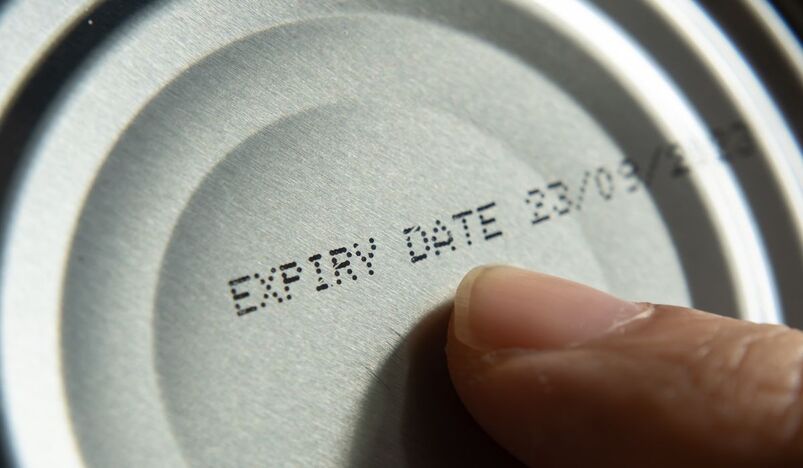
Before the list, one distinction matters more than any other. A “best before” date is about peak quality flavor, texture, freshness and many foods are perfectly safe, and often perfectly good, well past it. A “use by” date is different: it is a genuine safety deadline on perishable, higher-risk foods such as raw meat, poultry, fish and many chilled ready-to-eat items, and it should be respected. The foods below are ones that typically outlast their best-before date when stored properly and showing no signs of spoilage. Always let your eyes and nose be the final judge.
Pantry staples that last for ages
1. Honey. Naturally low in moisture and mildly acidic, honey resists spoilage almost indefinitely. If it crystallizes, gently warm the jar to restore it. Discard only if it smells fermented or off.
2. White rice. Kept dry and sealed, white rice stays good for years past its date. (Brown rice contains more oil and turns rancid faster, so use it closer to the date or freeze it.)
3. Dried pasta. With almost no moisture, dried pasta lasts long beyond the printed date. Store it airtight and away from humidity, and watch only for pantry pests.
4. Dried beans and lentils. These keep for years. Very old ones are still safe — they simply take longer to cook and may not soften as fully.
5. White sugar. Sugar doesn’t spoil. Kept dry it lasts indefinitely; if it hardens, it can be broken up or softened, not thrown away.
6. Salt. A pure mineral, salt has no meaningful expiry. Iodized salt may slowly lose some iodine over years, but it remains safe.
7. Vinegar. Its own acidity preserves it, so vinegar keeps essentially forever. It may turn cloudy or form harmless sediment over time both are fine.
8. Soy sauce. Very high in salt, soy sauce lasts a long time. For best flavor after opening, keep it in the fridge.
9. Maple syrup. Pure maple syrup stores for a long time, especially refrigerated after opening. If any surface mold ever appears, discard it rather than risk it.
10. Dark chocolate. Safe far past its date. A whitish “bloom” on the surface is just cocoa fat or sugar rising to the top harmless, and it melts away when the chocolate is used.
11. Dried herbs and spices. These don’t become unsafe; they simply lose aroma and potency. If the smell has faded, use a bit more or refresh your jar.
12. White flour. Stored dry and sealed, white flour lasts months past its date. Whole-grain flours go rancid faster, so freeze those. Discard any flour that smells musty or shows pests.
13. Peanut butter. Its high fat content is stable, and most jars keep for months beyond the date. Natural, preservative-free versions can turn rancid sooner — a sharp, off smell is the sign to toss it.
Fridge and freezer foods that stretch further
14. Hard cheeses. Cheddar, parmesan and similar aged cheeses keep well. If surface mold appears on a hard block, cut at least an inch around and below it and enjoy the rest. (For soft, moist cheeses, mold means discard the whole thing.)
15. Eggs. Refrigerated eggs are often good for several weeks past the pack date. Test one in a bowl of water: if it sinks and lies flat it’s fresh; if it floats, discard it. Crack and smell before using.
16. Yogurt. Unopened and refrigerated, yogurt is frequently fine a week or two past its best-before date; its acidity and live cultures help. A little watery whey on top is normal mold or a sour, off smell is not.
17. Butter. High in fat and low in water, butter keeps for weeks past its date in the fridge and freezes beautifully. Trust your nose: a rancid, crayon-like smell means it’s done.
18. Milk. Refrigerated milk is often good a few days beyond its best-before date. Give it a sniff and a look before pouring sourness, lumps or an off smell mean it’s time to pour it out.
19. Frozen foods. Kept solidly frozen, foods stay safe indefinitely; only quality slips, as freezer burn dries out the surface. Trim off freezer-burned patches and use the rest.
And one that just needs a look
20. Bread. Bread is safe as long as there’s no mold going stale is a texture change, not spoilage, and stale bread is perfect for toast, croutons or French toast. It also freezes very well. If you spot mold, though, discard the whole loaf rather than cutting around it.
When to bin it anyway
No list overrides your senses or a few hard rules. Throw food out, regardless of the date, if you notice any of the following: a can that is bulging, leaking, badly dented along a seam or heavily rusted; mold on soft or moist foods; a sour, rancid or otherwise off smell; a slimy texture or unusual color; or anything that has passed a “use by” date on a high-risk perishable such as raw meat, poultry, fish or a chilled ready-to-eat meal. When you are genuinely unsure, the safe choice is to throw it out.
Storage is what makes the difference: keep dry goods sealed and cool, refrigerate perishables promptly at the right temperature, and freeze anything you won’t use in time. Do that, and you’ll waste far less without gambling on safety.

_07-54-2026_12-54.jpg)
.png)
.jpg)
.jpg)

_20-08-2026_05-08.jpg)
_27-51-2026_11-51.png)
_27-43-2026_12-43.png)



.jpg)
.jpg)




.jpg)


.jpg)
.png)
.jpg)













Leave a comment